
Day 1: Allegro con fuoco, ma non troppo.
Another year, another city, another conference - here we are again, at the centre of innovation in an industry that knows no innovation, a convergence of minds, a swap-meet for business cards, the who’s who of ‘who’s that over there, are they more important than the person I’m currently speaking with?’ for Classical:NEXT - Budapest Edition! But lemme let you in on a secret - this year I’m here in a different capacity, as an incognito spy for the conference itself! The Gossip Girl of Classical:NEXT, infiltrating on the ground floor! Whilst you pick your collective jaws up from the floor let me explain what this actually means, (written here for posterity/for my sake of remembering the early morning team meeting):
I’m here to pick up the red thread, to chat and listen to folks as they gripe about the conference and the cheap approach to coffee (last year it was continuously free, this year it’s only 2 or 3 one hour sessions where you know that anyone with a conference session that overlaps the free coffee is fucked cos priorities are priorities and nothing beats a free cup of joe). I’m to jump in on Meet-Ups and spend some time learning from the loudest voices in the room; choose the best bits of those loud voices and somehow figure out how to condense this into something coherent. Already, the unlaminated lanyards are sure to cause drama as they did last year - it seems one man’s cost cutting is another man’s ‘Go Green’ initiative, so gone again is the plastic protector that ensures everyone’s cardboard signifier will be lost on the streets of Budapest by Thursday morning.
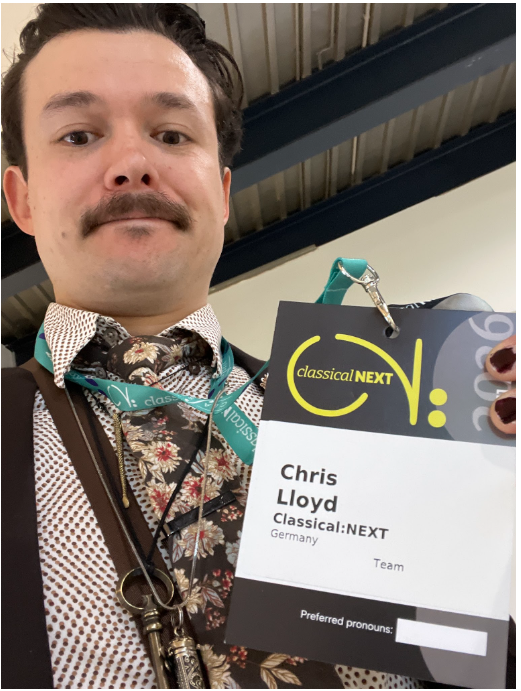
POST-SHOW EDIT: this absolutely happened, with more than a handful walking around the conference by Day 3 with their lanyard sans namecard, lamenting their loss.
More importantly, this year I’ve decided to carry a Man Bag, and even more impressive is I have two of these which colour coordinate with my shoes and belt for the four different suits I’ll be donning across the week. Such a fashionista approach to life should ensure I go properly undiscovered in my roll as Secret Conference Ring-In, as well as the fact I have the official ‘Black Card’ of the Team instead of the regular teal-colour worn by the plebs; though this status symbol ensures access to the production office where free coffee is poured all day - so I’m not exchanging it for the world. In my Man Bag: a portable charger and cable to ensure I can keep my live blogging going unabated by charging requirements, gum, tissues, and passport in case the Hungarian police catch me off guard. My C:N tote bag is rather empty as I grab it upon registration - for now. I plan to fill this with as many free goodies as possible; especially now my contract this year with the conference stipulates that I can’t enjoy the beverages on offer at the exhibition, which is basically all I’ve looked forward to all year. Nonetheless, last year the Austrians gave me a great pencil so I hope I can find another one this time around.
POST-SHOW EDIT: WTF Exhibition?! One pencil from 442Hz, four chocolates from Classeek, five Caramello Koalas from Chloé Charody, one CD from Artway… and that’s all? Lift your game in 2027.
You can tell the loss of funding in Belgium by the fact their stand is a quarter of the size of previous years; and the Baltic countries responsible for the bulk of my positive experiences in previous years are absent completely. Spain has filled the gaps and are representing the loudest and proudest to make up for it, and across the way, the Chilean delegation has set their stand up so professionally it could pass for a UN delegation, which is convenient considering they’re the buffer between the Spain and Catalonian stand, which borders my home country setup by Sounds Australia and the Australian Music Centre - it’s like a family reunion coming together!
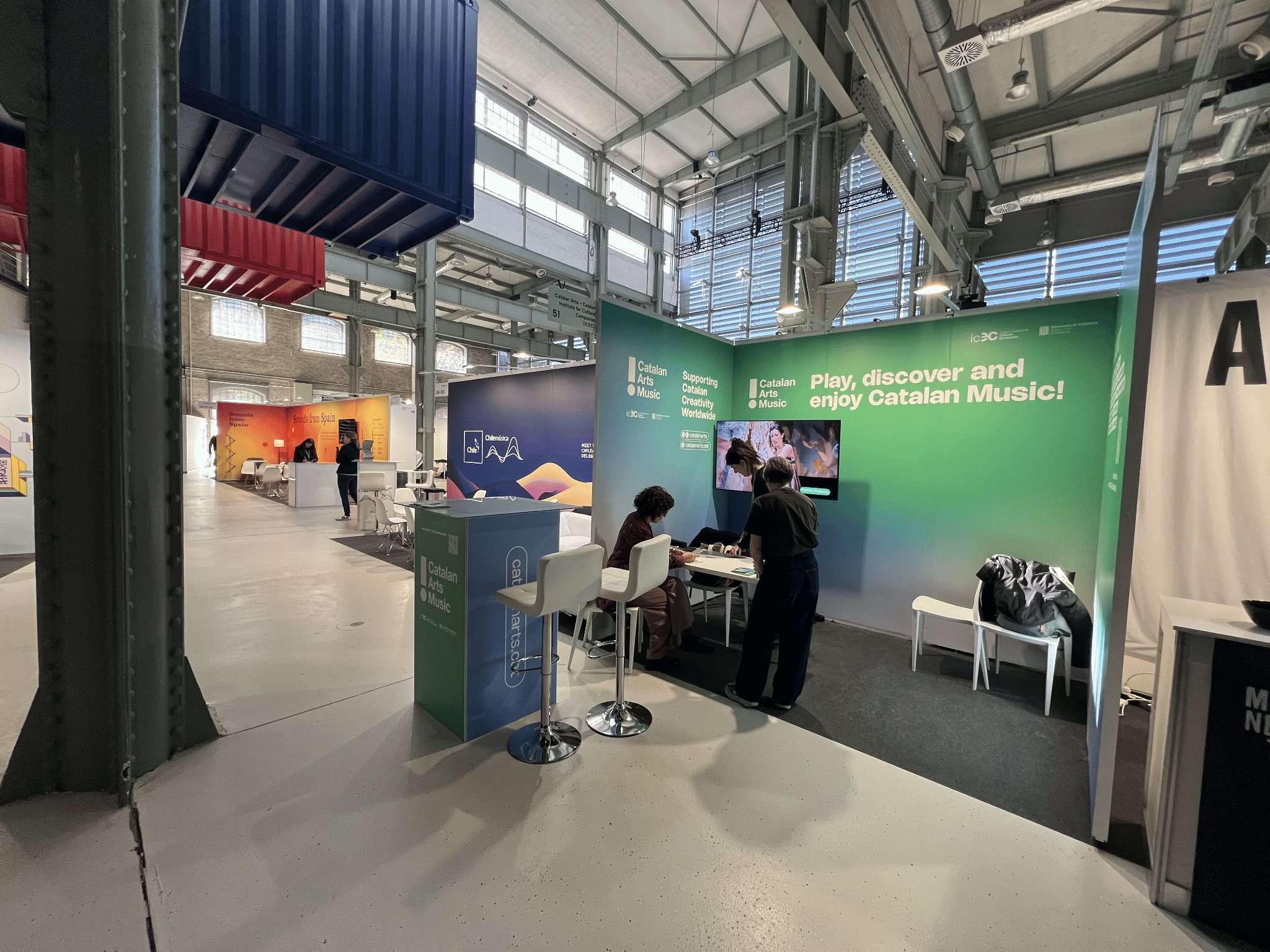
Spain in the far distance, Chile keeping it chilled, Catalonia doing their own thing.
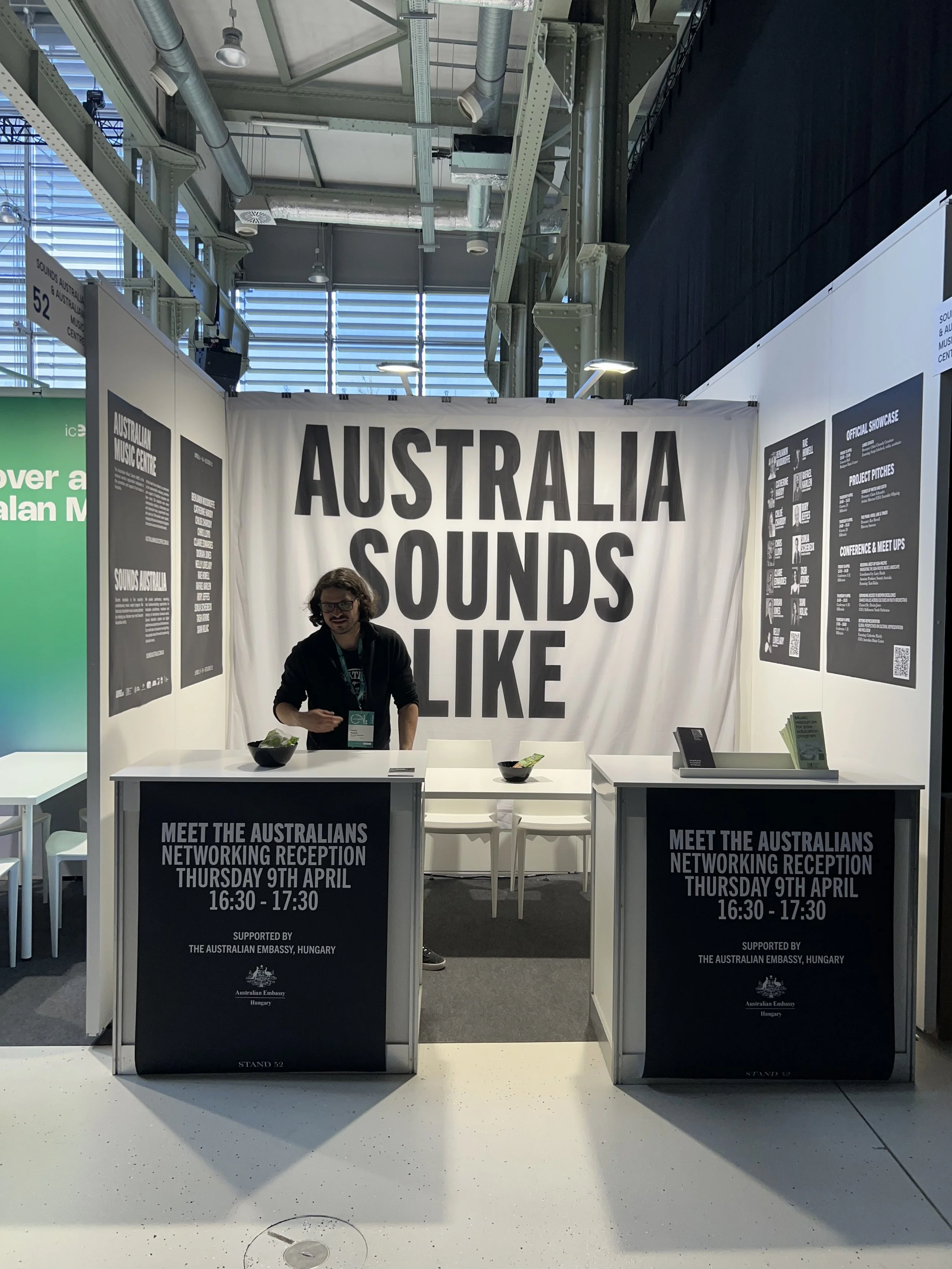
Larry from Sounds Australia looking sharp for 10am on Day 1
With 90 minutes to go until the unofficial kickoff, I start perusing the schedule: gone is the Higher Music Education Industry Chat (with famous quips along the lines of ‘in 2022 students have access to things like the internet that didn’t exist 20 years ago’) that previously served as the soft launch, replaced by three Meet-Ups that seemed to be shafted in the schedule, giving us an inconspicuous start to proceedings. The fact that they also clash with free coffee time makes me think the presenters of these sessions may have inadvertently insulted the family members of the schedule organisers at some point in time.
‘Crossover Classical’ is an early potential red thread in the crosshairs - there’s a talk on ‘Gateway Drugs’ on Thursday (referencing film/game music), and a very well advertised booth for Cinestezia Symphonic - ‘a breathtaking and emotional cinematic pop symphonic concert’, whose AI-generated advertising slogan is only matched by its AI-generated photographic material. Start-up style punnistery in nonsense-sounding company names are also cleverly matched up with Mousike, Newzik, and Classeek facing off against each other in a bid to have their value propositions win the duel of solving customer problems such as having no venue, artist, equipment or logistics. Whilst that list of problems might suggest the customer doesn’t actually have a show to put on, I’m sure there are several free objects to be gained so I’ll be paying a visit once they’re fully setup.
I pop past the Celtic Wall of Wales, Scotland and Ireland, where old friends reconnect in a mutual form of disdain for Mother England who is typically absent on the floor, and I convey to my best friend Nathan James Dearden who supplied the Welsh seaweed rum for the past two years, the sad fact I won’t be imbibing the best of their culture this year, but nonetheless he’s still kind to me. Ireland has free pencils but I’m too shy to begin my pilfering this early so we’ll see.
Meanwhile, one of my pet peeves for the past decade has been the emergence of buzzwords that usurp the need for quality when it comes to putting together a show; i.e. instead of making a good show, just make good advertising copy that utilises as many buzzwords as possible to trick an audience into attending. Thankfully, this year has many of these words so we get to revisit a concept from C:N24 - Buzzword Bingo! The Rules: you get points for each one you spot. Considering most of these buzzwords are around a decade old and as such have lost some of their buzz, it’s relatively adequate for a classical music conference to include them I suppose.
POINTS SYSTEM: (Higher = More Cringeworthy)
Sustainability - 2 points
Immersive - 4 points
Inter/Multi/Cross/Trans- disciplinary - 3 points
Experience - 2 points
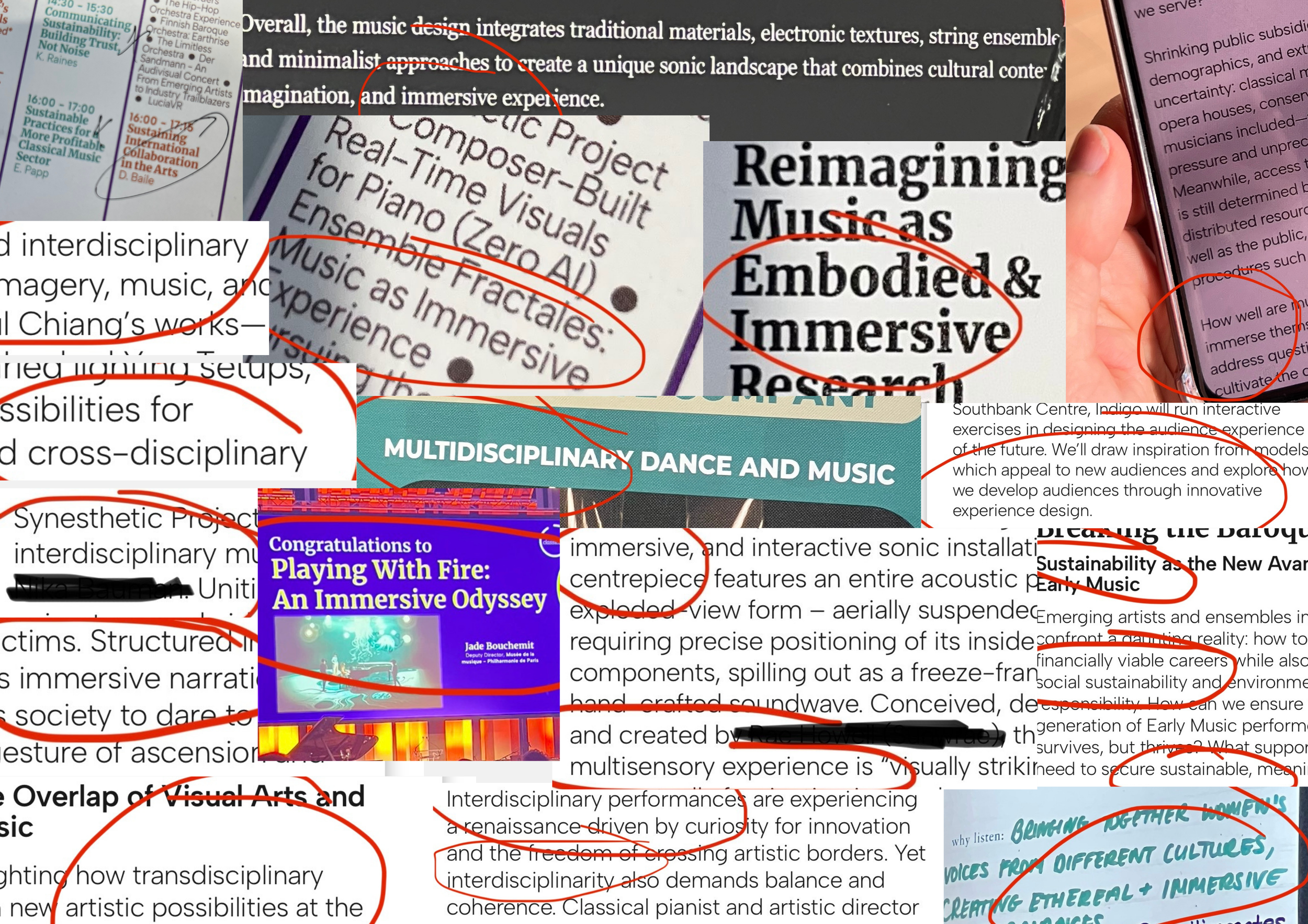
Just a small collection of screenshots and photos from C:N26. Who won Buzzword Bingo? NO ONE STOP USING BUZZWORDS FCKS SAKE
… Maybe we shouldn’t all use the same LLM when coming up with ideas?
At 11am, the conference doors officially open and I’m already 3 or 4 coffees down in the production room which is proof that life on the inside is way better than it is for the peasants in the exhibition space who are still paying for coffee. The conference big shots (Andreas Richter and Co) appear with the fanfare one would expect, and the energy is definitely building steadily.
In the lobby I bump into friends Hanni Liang and Olivia Brown, both who are presenting tomorrow and we talk fashion and schedule design. The most popular stand in the exhibition space is the coffee stand, but that makes sense, and now that things are open I get a fun sticker and a chocolate from Classeek, and my first Caramello Koala from Chloé Charody’s showcase stand, all of which is making me very happy indeed. Tech platforms abound so far, as does music+ (i.e. music + something else that isn’t music). Ironically the Notation AI stand is having tech problems:
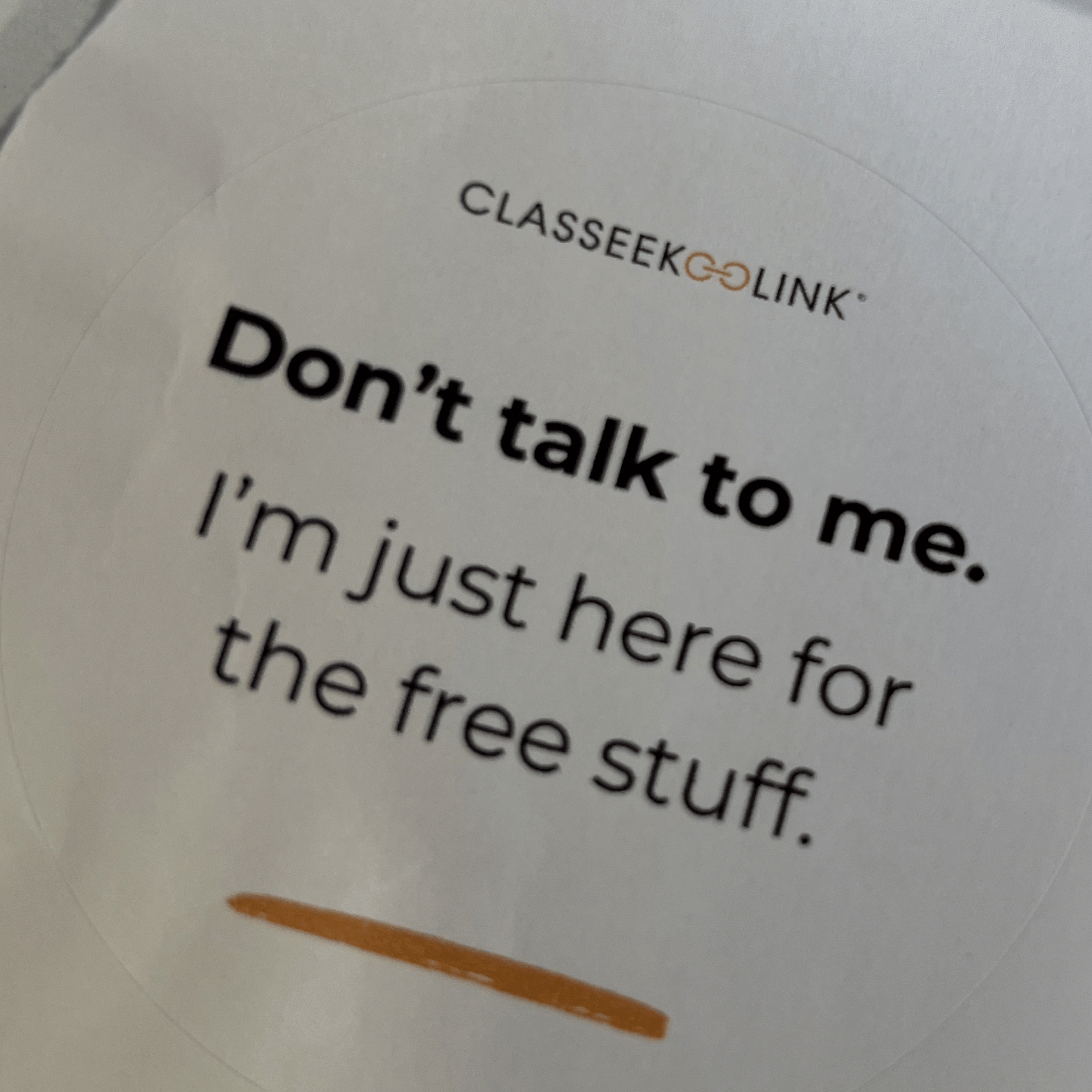
It’s like… they read my mind, knew what I’d need, and then made a sticker out of it. If that’s any sign of how forward thinking their platform is, sign me up for a second time.
Meanwhile, the Welsh stand is giving us a masterclass on how many consonances you can include in a word that aren’t what they seem and it’s delightful.

Or… did they fall on the keyboard when printing out?
Dreher Media’s stand has a coffee machine in their booth which shows they know what society wants, and a record label across the way showcases 16 hardcopy CDs which proves they don’t know what society wants, BUT they give me a free album combining new music, fado, and Afghani refugees so I like them the most at the moment. The French are looking chic but hidden in a corner where nobody has to deal with them and I think that’s by clever design.
Walk around catching up with old friends and being reminded that this is the primary reason for being here, as I see Xani Kolac, Samuel Krum, and several others - but soon it’s time to refill the coffee (someone’s brought out the decaf, which seems passive aggressive tbh), and attend Thea Paraskeveide’s opening session - The Listening Wall, which is essentially a recommendation station to represent women and diverse voices; she’s running Classical Unlocked which is a classical music platform that’s taken off rapidly in the UK over the past two years, representing all the exciting ideas and performers in the scene. It’s her first proper classical music industry event, and she’s mentioned that she’s either going to feel validated after the event or question all of her life decisions. I suggest taking the latter.
Running to the next Meet-Up we’re prompted to click on a QR code which opens a word cloud generator, asking us what comes to mind when we hear the word 'Belonging’, that has been chosen to be ‘deliberately wide’, and though I’ve been warmed up already, my cynical side won’t allow me to go beyond ‘generic’ and ‘buzzword’ so I choose not to contribute. This chat is by the ABRSM, and the moderator Hazel Wieboldt is enthusiastic and effervescent which brings you in; and a relatively healthy crowd listens appreciatively; the atmospheric hum of the exhibition on the other side of the curtain is off-putting but she deals with it well; she’s encouraging fun ice breaking games that are successful, and I meet French Dorian and Australian Dorian who are actually twins that never met previously:
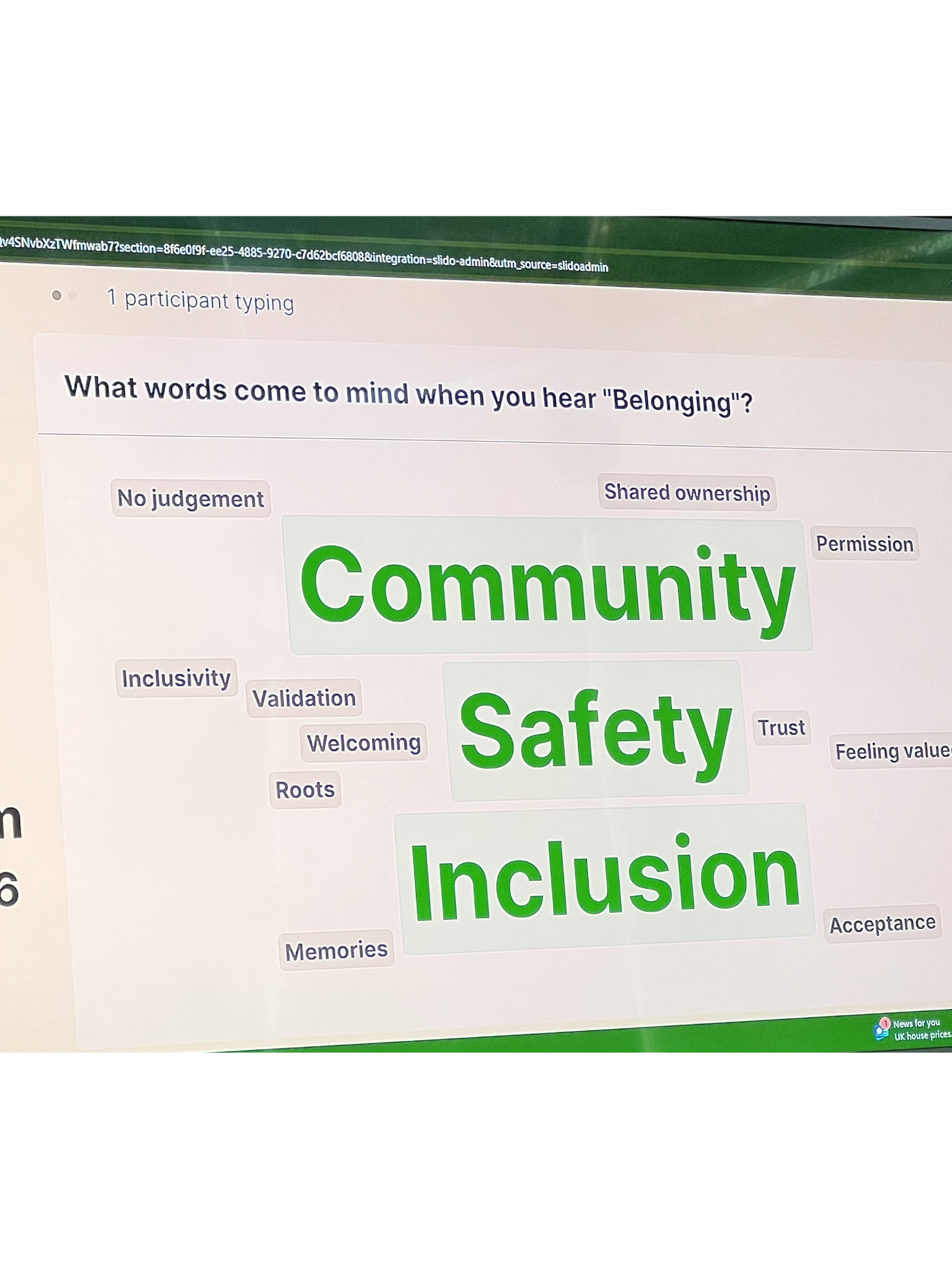
"“What do I think of when I hear the word ‘belonging?’ Cliched cover all terms that try to make up for a generation of alienated narcissists who grew up being told they were ‘special’ and ‘unique’, and then spent years of their adult lives trying to find meaning in a world led by corporate interests who auction our attention for data in order to manipulate our brain chemicals into continuous consumption oooooh fuck just write ‘community’” - Chris’ brain.
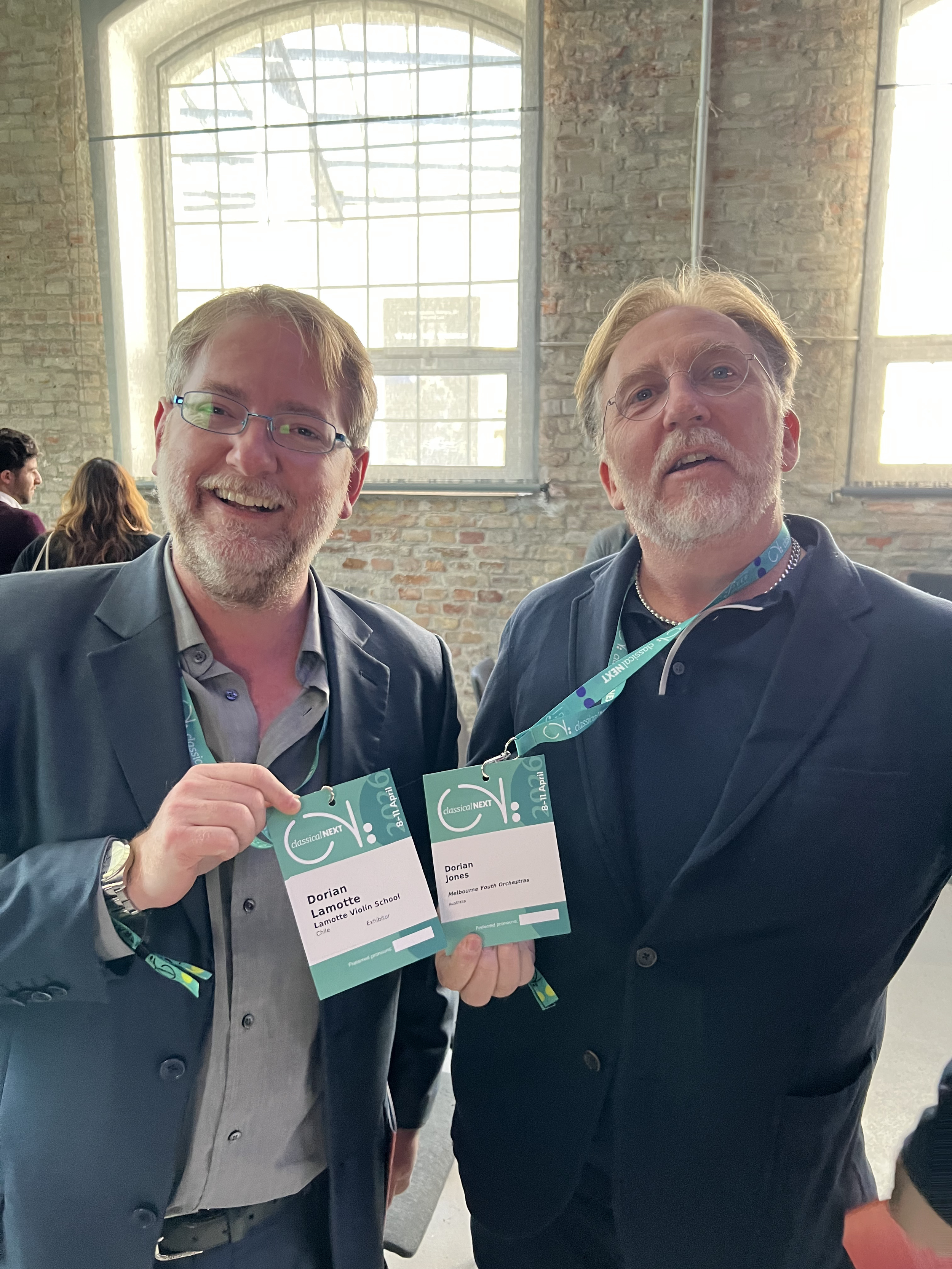
French Dorian meets Australian Dorian and it’s probably the sweetest moment of Day 1.
The talk has the potential to be a bit generic and broad, and I jump into a good mini-group with representatives from a Canadian new music commissioning institution; a Belgian community education ensemble for immigrant communities and underprivileged children; another representing education for disabled people; and a Welsh university lecturer - and it seems like another early red thread is music for social good; that is - classical music was once (circa early-20th century) thrust on others as an apparent tool to educate people in an attempt to elevate them to higher levels in society; now we’re trying to figure out how classical music can be utilised to contribute to helping society get better. It’s a 180 degree pivot that I’m having trouble explaining, but it seems like a genuinely good one - instead of lecturing from a condescending position, it’s looking at how we can offer our expertise to bring others up. The question of (classical) music as a universal language is explored - with genre diversity being a key element (eg diversifying the definition or welcoming in other voices).
QUOTES and THOUGHTS: ‘How can we learn from each other in this room about how to amplify the works in our communities’ - Hazel Weiboldt
“We want everyone to see themselves in [classical] music” - Anon. THOUGHT: Would be nice - but what’s the bigger reason behind this fairly ubiquitous sentiment? Is this part of a subconscious desire for a broader social relevance? Is it how Coca Cola legitimately wants to replace water in the entire global populations liquid consumption [malevolent]; or is it because we think it makes people’s lives better and want to share it [benevolent]? - or a combination of the two?
“There’s never enough money, time or energy, but sometimes we figure out how to do it. Sometimes we run out of energy, but hearing all these stories is inspirational.” - (French) Dorian Lamotte - already figuring out the main value of this event.
“When we think of an inclusive music industry, that starts with an inclusive music education” - Hazel Wiebolt, mic drop.
Everyone’s at lunch now and I bump into David Taylor, Rachel Fenlon, and a bunch of friends from previous years; and before long it’s time for the opening keynote with celebrity conductor Ivan Fischer; not someone who comes to mind when cutting-edge innovation is brought up, but a big name that gets people through the doors. Am I interested? Not particularly, so I’ve situated myself with Fiona Stevens at an easy exit point in case we need to run out easily. “Shaping the future of art music” is projected as the new mission statement for Classical:NEXT (last year the equivalent read: ‘International Professionals Meeting and Festival for the future of classical and art music’, which a) suggests that the board behind the mission statement is WAY less stiff and yawn-inducing than last year, and b) that C:N has cottoned on to the limitation of the term classical and pivoted towards the buzzword adjacent ‘art music’. Maybe next year we’ll be attending Art:NEXT?
Fischer takes the stage to a warm round of applause which is probably less than what he’s used to on the performing stage; he’s convivial and friendly, and has taken the role of provocateur in his provocation very literally: “The classical music industry is ruining classical music… we are all dinosaurs who will die out very soon… You are doing wonderful keeping it alive for a little bit longer, you’re like doctors keeping a 95 year old patient alive for another two or three years… We have an infrastructure that is unsustainable… The main motivation of the orchestra is to keep the jobs of the musicians, the soloist is there to build the ego of themselves.”
He. Is. Amazing.
Other sentiments and quotes: One of the threats is that the musicians are losing their hearing, new technology makes everything louder; orchestras are note factories - that is, they don’t make music, they just produce notes; the size of the orchestra that was set by Strauss and Mahler hasn’t been questioned: “Why do we need 113 people? Because we just hang onto this tradition without thinking; we need to feed the musicians… but nobody questions this.” “Shrinking repertoire, contemporary music is not the core of the repertoire… can you imagine in 100 years, that we’ll still have 113 musicians playing music from 1840-1920.” There is no more music education; marketing gimmicks, “these gimmicks will bring in a few people but not fix the problem”; the main thing is: “I don’t think this [concert] ritual as it is is sustainable”. Crossover and innovators don’t create a sustainable solution, they don’t create repeat audiences. “I don’t have a big respect for the current ritual of the Classical Music Industry.” Solutions are not by “superficial innovations. The answer is somewhere completely different - we need to look at the audience.” Educate the population about music, not just the next musician. “Can you trust anything? I read fake news every morning, I can’t tell what’s artificial or not…. We’re in the last phases of trustable things amongst us… Music should be the home of creativity and truth, in a world that doesn’t have creativity and truth anymore.” Music education is not about educating the top musician who becomes a soloist and gets a job, but the larger social population. Music institutes should become the guardians of creativity and the Truth (to the extent of receiving news from an orchestra!) “Build up people who speak the language of music. Combining a jazz band with an orchestra works once but it won’t solve the problem… An orchestra should be a magnet in society of people who appreciate creativity and truth… Go please in the direction of representing truth and creativity on the stage… I would like to have more people who live for music, and less people who live off music.”
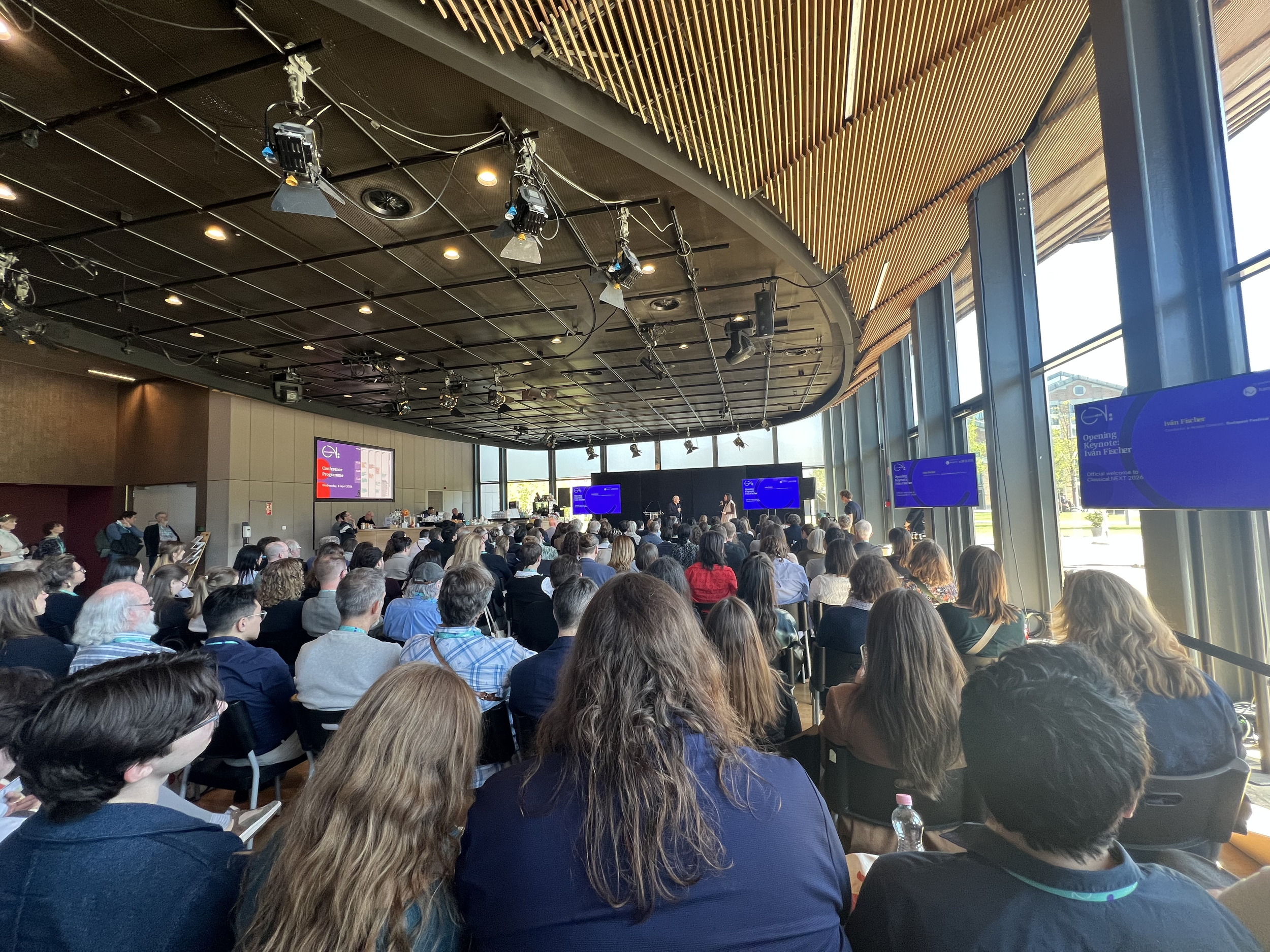
Squint and you’ll see a Fischer man dropping bombs on dinosaurs.
Wow. The applause is muted - did he piss people off? Did it resonate? Or did he tell too many uncomfortable truths for people in the room? Probably a combination of the three.
POST-EVENT ADDENDUM: this proved indeed the perfect opening keynote speech - not necessarily because it inspired everyone in the same direction, but that it became a key conversation point that every conference session referenced, and that several discussions referred to across the week.
It’s great to see Dr Weida Wang and Timothé Demaine at the first open chat - both of whom I met in my first Art:NEXT in Hannover, 2022. Ah, remember Hannover? Probably not, what a dull city. Theirs is the first official session, and was a great start, with the two joined by Aidan Chan and Marielle Garagnani on a panel discussion called ‘Rethinking Innovation: East Asian and Western Paradigms of Classical Music Creativity.’ Wang opens the discussion: “Innovation is not a stable, universal category. It can mean different things depending on the person. For many people, innovation can mean new works, technology, formats; for others it can be new forms of artistic identity, new relations to the public… Innovation can just be repackaging, or a marketing approach without a definition.” He sets the question for the panel as “How can we define classical music innovation in different contexts?” - he points out that East Asian markets are considered important currently only as a provider of musicians and commercial opportunities, but that we don’t often get the perspective of East Asian artists as innovators. Demaine makes a good point that innovations aren’t making life easier across the board (as they’re often purported to do).
I really like the panel members and they’ve all done excellent research in their various fields, but I do struggle to find a consistent approach to answering the questions, and instead trends towards a typical format of interesting point, pivot, interesting point, pivot. I think to myself that Panel Discussions as a concept really don’t work - four divergent experiences in any given topic simply means that no one opinion is being presented, but 25% of a story told in a non-linear narrative form. I think that the real point that isn’t being clearly tackled here is: 1) East Asia has an unparalleled ability to innovate because it doesn’t have the historical baggage of tradition, plus huge commercial and workforce capacity; and that 2) Europeans should be open to welcoming East Asian innovation, rather than casting over it a suspicious (and let’s be honest, racist-adjacent) view. Which is a pretty great thought-provoking argument, either way.
A lot of contemporary innovations in classical music seem to be attempts by organisations to trick people into their concerts, by attracting them with something the already like (circus, visual arts, etc)., and hoping they’ll accidentally enjoy the classical music that accompanies it. [NOTE: this is exactly what I’ve been doing for the past decade]. It’s all marketing, innit? The programme schedule is eerily similar: they’re marketed with an attention-grabbing title and interest-getting description, which says to the reader ‘COME TO ME AND I’LL SATISFY YOU’, but then the talk doesn’t actually deliver any relation to the topic presented.
The first faux pas of the conference goes to David Taylor. who broke ranks and grabs a glass of wine at Chilean reception seven minutes before it was available, which (unluckily for him) happens right when we’re in a conversation and I promise that it’s going in the review. Drinks are again the clear highlight of the day for most people, which means a huge panel with Deborah Borda (Queen Emeritus of USA orchestral management fame) is only half attended (to be fair, bumping into her at the Chilean wine meetup, even she expressed a desire to imbibe rather than jibe); but a Queen is a Queen nonetheless and it’s impossible to miss them in the flesh, such is the aura they carry. I pull up a seat next to Sergio Roberto Gratteri at the back, to listen to their panel chat ‘The Nightmare on the Road to a Dream Job’, chaired by Christopher Widauer, with Borda and representatives from the Wiener Symphoniker and the Reina Sofia school in Madrid. High quality people, high quality stories… But I’ve got to say, I’m sitting here and still wondering what the value is off these chats. It’s folks telling their stories (lovely) about things we’ve all collectively endured (pointless). This takes up 33% of the allotted time for discussion. Less of a hard-hitting deepdive, this seems to be another roundtable discussion about auditioning processes and that they’re hard, but I’m not quite sure what the point of it is - if it’s merely telling a story that we’ve all already lived through?
The description of the session in the programme is amazing - deep, well thought out, quality - but the result? Confused and cluttered. And it’s the same year on year at this event: considering the amount of panellists (as opposed to single or duo presenters) on offer throughout the week, is there a selection process that says quantity (of presenters) is more important than quality (of presentations)?
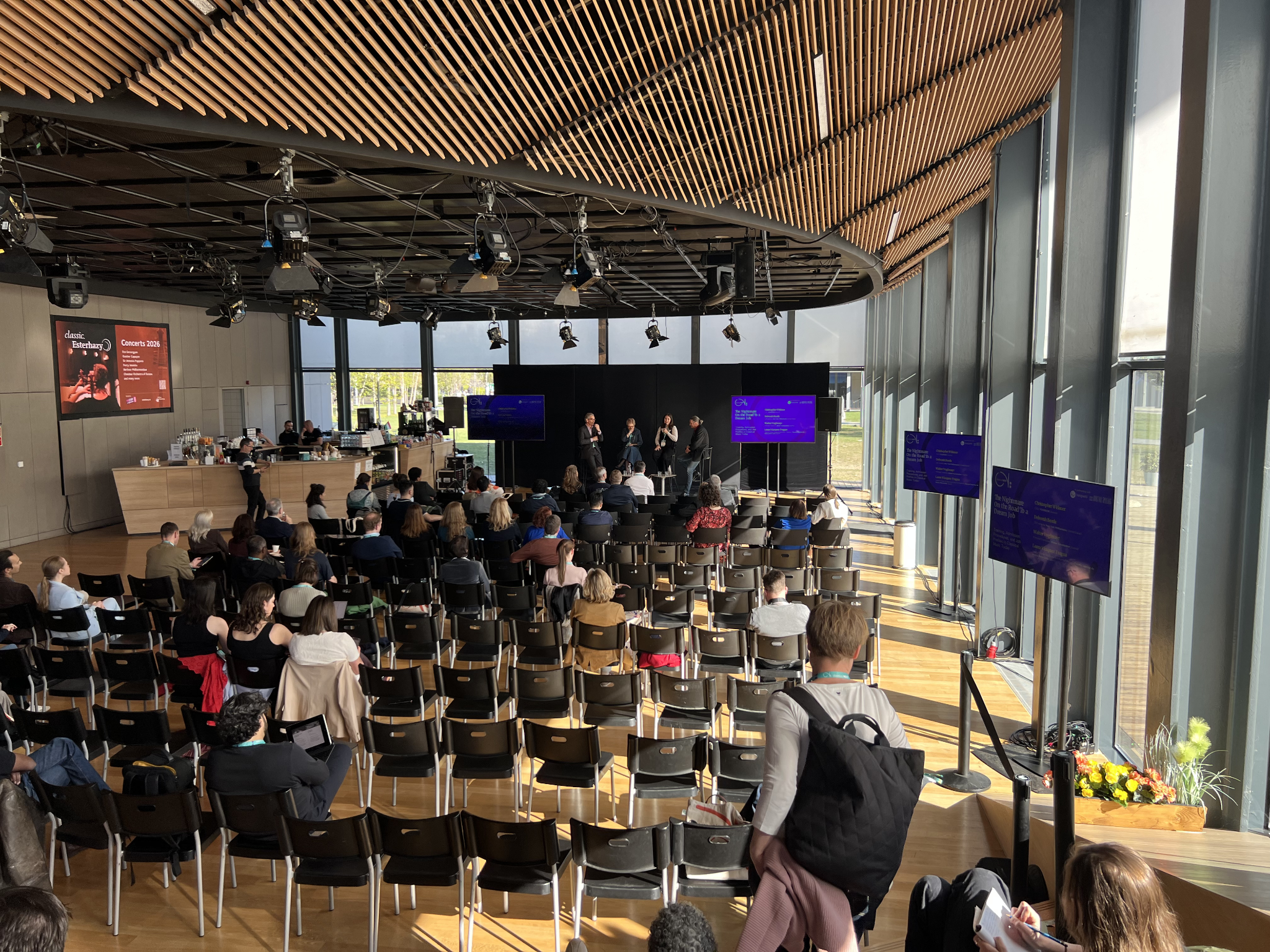
A half filled room competes with a free wine reception. Points for spotting David Taylor in the audience sitting like the quintessential teacher’s pet.
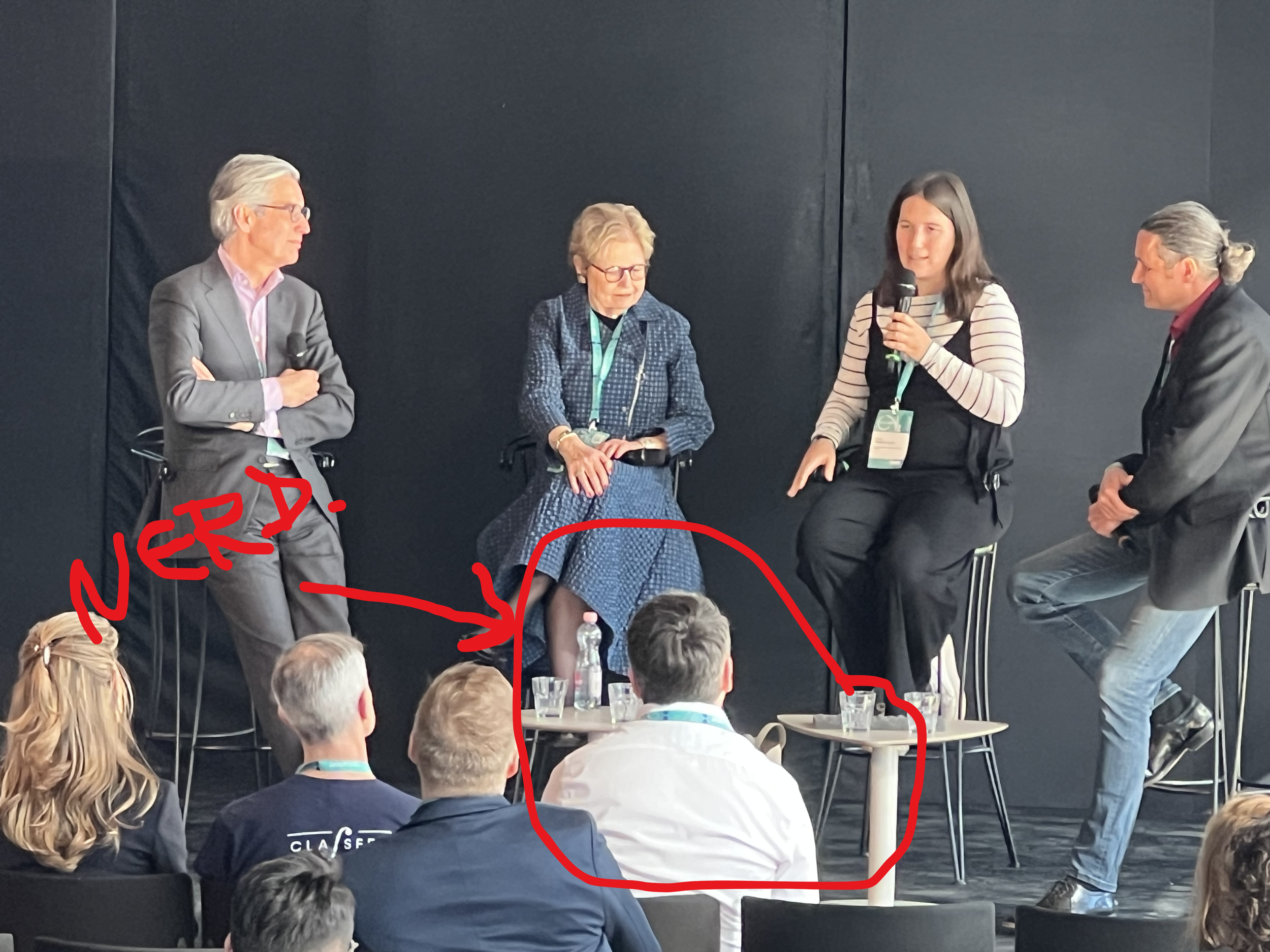
10 points for Slytherin!
“The best person doesn’t always get the job. That’s important for musicians to know.” - Deborah Borda, who’s definitely had to tell the best musician they didn’t get the job before.
But unfortunately, nothing advertised on the above is being discussed onstage (again not the fault of the presenters, but a fault of design). Too broad, too superficial. A colleague who was in the talk uses the perfect word: meandering, whose etymology stems from the term for ‘bends in a river, for the winding sinuous path a river takes’; so I decide to follow the flow of the conversation and meander on out to grab another coffee.
Sergio Roberto peer pressures me into a chat titled ‘Creating Together’ by the UK’s Multi-Story Orchestra and The Glasgow Barons, is a community outreach themed (integrating other genres like hip-hop, education and integration in underprivileged communities), which is all great - Abimaro Gunnell is a wonderful panel leader, Paul MacAlindin and Kedar-Re Thompson are interesting and engaging presenters. It starts off as the same old story of presenters telling their stories, the projects that have led them to the stage, and the creative process; and as I sit there worried that it’ll be a repeat of the previous chats, this is an example of third time lucky - it’s the best model of story time! Gunnell expertly crafts a transition from introduction to the point of the discussion; but I can’t help the FOMO creeping in as I think of C:N’s Director, Fabienne Krause, who remarked in the opening that networking is one of the key points of this event; and that the sound of the public congregating and chatting and drinking together just on the other side of the adjoining curtain has me wishing I was amongst them. It’s a tough gig to overcome the FOMO, but Gunnell does well. All wishes to be elsewhere evaporate when she hits us with bangers like: “Collaboration as a long term shift, not just a flash in the pan. Telling their stories and not just getting them to come and listen to ours.” Gratteri agrees - she’s great. They have a fun interactive play moment which is something I’d never experienced - fantastic! Great discussions follow, and I’m very glad to be in this session.
[POST-SESSION NOTE: Paul mentions in a chat that they’d worked on this presentation over Zoom calls for a long time leading up to this presentation. Turns out practice does make a way better session, and maybe something for the organisation to insist on in the future?]
Evening:
At 18:00, my prohibition period ends, and I pick up two bottles of palinka at the tobacco store before heading to the Liszt Academy for the opening concert. I have three glasses of bubbling fermented grape juice and enter wonderful frivolous conversations with Laura-Beth Bird from Atlantic Canada and Lloyd Coleman (of Paraorchestra) from Wales - THIS is what Classical:NEXT is about - the beautiful new connections from around the world you make. We talk about our lives, our funny origin stories, and every now and then about work, and remember that the main reason we come back year after year is the experience of being together with the few people around the world that are interested in the same things as we are.
QUOTES: “[Classical:NEXT is] a space where tradition meets the present, where different voices come together, and where new things can begin… what brings us together this week is more than a programme - it is a mission, we are planting a seed for the future. We’re here to connect, listen, challenge and inspire each other… and most importantly to remind ourselves that what we do matters… Let us take these days as an invitation: to meet with openness, engage with respect, and create connections that will shape the future of our field.” - Fabienne Krause (Director, Classical:NEXT)
“Classical music has always been rooted in tradition, but shaped by reinvention… in a world of rapid changes, music remains one of the most beautiful ways to connect, across cultures, generation, and perspective.” CEO of Müpa Budapest, one of the partner organisations responsible for bring us all over.
The concert is a veritable celebration of Hungarian musical heritage - Franz Liszt, Béla Bartók , György Kurtág (who sits in the audience a few weeks after his 100th birthday!), and Péter Eötvös (sidenote: WTF with the amount of umlauts, seriously Hungary), all performed by Hungarian musicians which really is a treat, if not a little counterproductive to the NEXT element in Art:NEXT. The first pianist presents himself in his biography: as “beyond doubt one of the finest pianists of his generation. His highly personal performing style has earned him the name “the poet of the piano” – his powerful virtuoso technique combined with a soothing bel canto tone, a rare gift by which he makes his instrument sing like no one else can among his peers” which makes one feel pretty treated, if not slightly sorry for any of his peers who will never be able to match his fairly generic piano playing.
The second pianist has won seventeen competitions already accoring to her biography, and judging by her age she’ll probably win another few before the week is out - and her performance of Bartok suggests these awards were well deserved. A violin duo comes out to perform selections of Bartok’s 44 Violin Duos, one violinist in an almost-Brechtian manner announces ‘TRANSYLVANIAN DANCE’ and smashes out some incredibly authentic fiddle-playing - as an Australian, it’s hard to accept the remit that one does one’s own culture best, but it’s hard to argue that listening to Bartok by Hungarian violinists can be beaten. Scratch that, they’re already bested by the violin and cembalo duo that followed, because this was one of the rare moments where the virtuosity didn’t cannibalise itself, and instead welcomed us to enter a field of folk-infused mystic trance that had everyone in the audience enthralled. Wild.
Compared to the three-hour Opening Show marathons of previous years, this year's edition is moving along excellently - great musicianship, short and sweet, some sneaky palinka in the jacket pocket, all is well. The Eötvös cello pieces are performed by a cellist who delivers them so naturally that it seems written for her - the music is of course weird and wonky (it’s contemporary Hungarian classical after all), but it’s compelling and expertly performed. Whilst sitting in the audience, I begin reflecting on thoughts from this first day: innovation is a broad blanket term that has no official nor objective definition; musical innovation can exist in conservative settings, just as conservative music can exist in innovative settings - all is legitimate, all will be critiqued by everyone else who has their own opinion of what counts as ‘true’ innovation… but every now and then it’s just nice to enjoy some high quality music making without requiring any justification for it.
I don’t know how to describe the final piece except it’s wild and I love it, and also the palinka might have hallucinogenic properties because I feel like I’m tripping, but either way it’s banging. Or weird and terrible. I can’t tell, but I’m having fun.
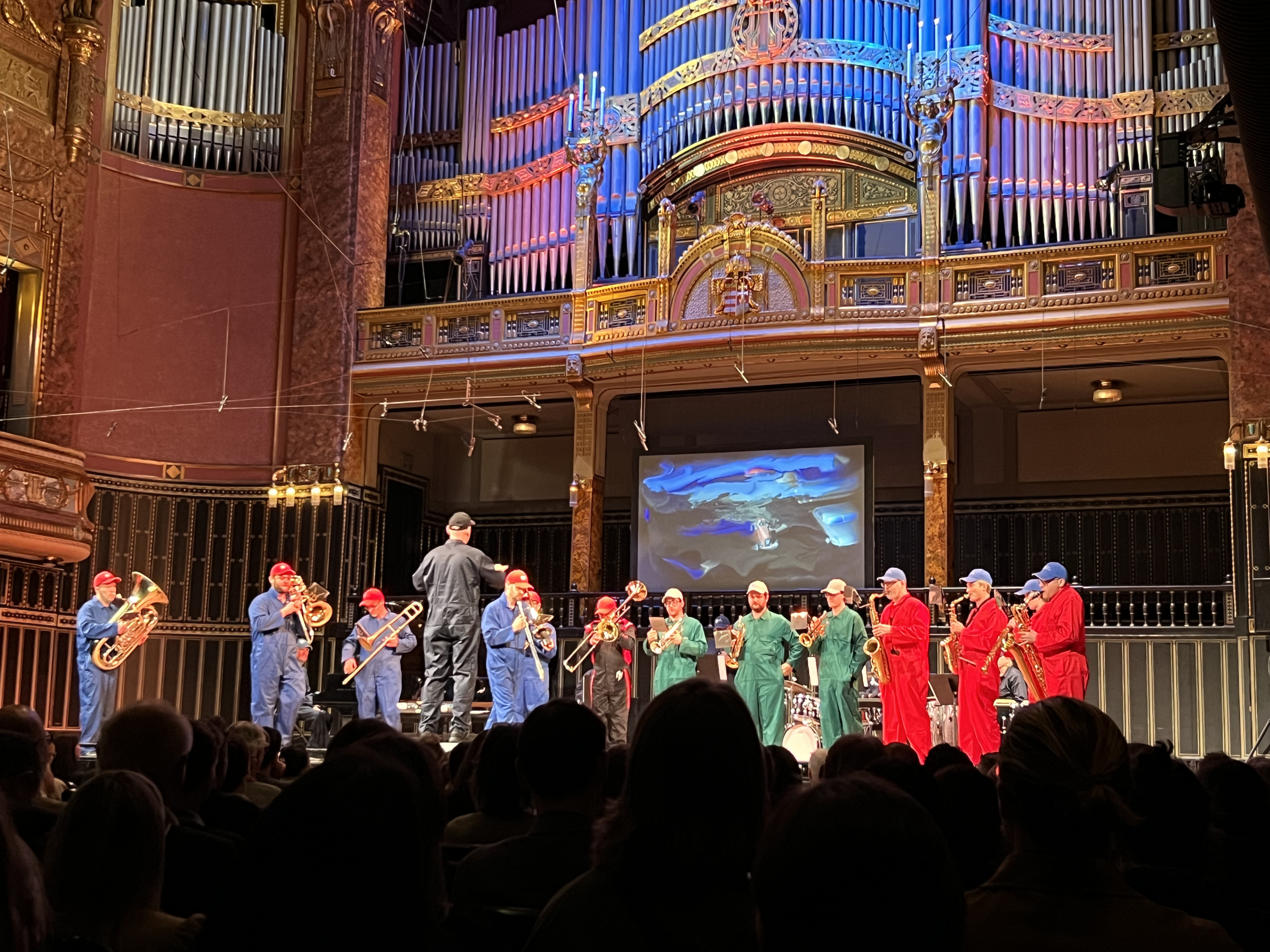
Am I tripping, or does the middle trombone have two horns (one facing backwards), and the ensemble is dressed like F1 pitstop attendants with a psylocibin-coloured projection in the back? Who can tell?
The winners of the Reprobate Awards this year goes to the Polish so far - ordinarily it’s the Brits (and don’t be fooled, they’ve also put in a strong showing so far), but considering they were trying to be bad influences on ME on the first evening suggests they have strong competition this year from next years hosts. Taxi. Bed. Reset.
[POST-EVENT EDIT: Britain won in the end, of course.]
Day 2: Lento Doloroso
Is it a hangover, or is it just fatigue? Conferencing is like a large mountain hike: you start with trepidation, confidence gaining with every step, and you fall asleep feeling the rush of satisfaction that accompanies the successful start of a journey. Waking up on the second day: your muscles hurt, you remember highlights and sensations but nothing detailed. We’ve reached the first base camp towards the eventual scaling of Everest that will be Saturday’s final morning, and Day 2 begins with us wearily gathering at 10am for the start of today’s journey. On the schedule: a talk from Simon Woods (League of American Orchestras), Olivia Brown (Stay Tuned Comms) questioning the future of critical journalism, Dorothy Kalbhenn (Konzerthaus Berlin) talking administration, and a heap of others in the afternoon, all of which seems too far away to compute until at least the seventh cup of coffee has been procured. Shhhhh don’t tell my boss but I get some maple syrup cream liqueur (like Baileys, but better) tipped into my coffee by the Laura-beth from Atlantic Canada and all of a sudden I feel fantastic.
At 10:30, a huge crowd rolls in for the ‘Orchestrating Resilience’ chat with Simon Woods (LAO), Anselm Rose (Rundfunk Orchester und Chöre) Deborah Borda (Queen, CEO Emeritus of New York Philharmonic), and Jamie Njoku-Goodwin (who has a CV too long to include, even in a 10,000 word review, who understands this and just writes ‘Consultant’), which is a rather impressive assembly considering the early start. Woods starts well, a good orator with a natural ease on stage. Today they’re talking about the intersection of public and private financing - very interesting as the panellists represent models from the USA (essentially all private funding), Germany (essentially all public), and London (collective ownership with joint financing aka they typically don’t have any money and have to resort to recording sessions with Rosalia). Woods introduces every panellist independently which helps avoid the regular 45 minute intro round table session typical of these presentations: it’s a power panel of high level speakers, which suggests the objectively very boring topic could be the most interesting discussion of all.
Rose gives us a history of German orchestral funding (from aristocracy into public funding), which is based on tax payers and broadcast fees; he explains the issue of a societal shift away from the arts - and that every year, with the annual budget requiring negotiations, that they’re struggling with a shift away from the feeling that art is integral and necessary for society.
Borda also starts with the history of funding - that the DNA of Americans has generosity at its heart, talking about donation culture; she talks about fundraising for new venues and remodelling, raising $450M for David Geffen Hall - Civic Responsibility is the term Woods uses, and Borda talks about capitalising on the right moments to hit these targets.
Njoku-Goodwin is in charge of representing the hybrid model of the UK and mentions how green with envy they are in the UK against Germany and USA. The UK model relies on entrepreneurialism and how each orchestra needs to have diverse income streams (see above re: Rosalia).
It’s a great chat but also… it’s a bit of ‘Intro to Orchestral Business Models’ which might be interesting for those in the audience curious about this side of the industry, but it’s hardly a groundbreaking chat that promises a deep dive into the most pressing topics regarding resilience.
Following the introductions, the real discussion opens with a question on how we can justify continual funding when there are so many pressing issues in society, and how we can justify asking for more money when it comes from the same pot of gold dedicated to feeding poor children, tackling climate change etc. Rose talks about arguing impact and outreach is the way, but just as it’s getting interesting I remember that I’ve promised Olivia Brown that I’ll be front row for her cultural journalism chat… though it does seem the second half of this conversation isn’t going to offer too much illumination, so I’m not too worried. On the way out, a fellow escapee remarks: ‘Nothing new there’ - which captures the sentiment perfectly.
The main question posed by Brown is: ‘Is there still space for professional criticism in contemporary society?’ The crowd is huge again which is great, there’s a big level of interest and enthusiasm this year in the various conference sessions compared to previous years, something noted with the organisation team yesterday.
A fellow on the panel gives the most banal and basic introduction for why reviewing exists, which is even more ground-level than the previous talk. I start to imagine being caught in a drinks reception with this bloke and getting talked at for an hour without break, whilst imagining all the different ways one could commit suicide with the objects surrounding you. He does come up with an interesting point regarding income streams for digital platforms which is a question worth asking, even though no solutions seem forthcoming. The others aren’t much more interesting, but we all love Olivia so that helps.
Seventeen minutes in and the main topic is finally broached: the first responder switches the question from ‘who decides’ to ‘what decides’ what matters in cultural journalism and avoids answering the question at all. This seems a common approach: rather than answer the question, each panelist instead just discusses their own initiatives, and if we’re lucky they might draw a tentative connection to the original query. Brown is great - she’s asking complex and relevant questions, but I’m regretting leaving the previous talk; but also not regretting my recent pivot away from the Classical Music Industry because the issues and solutions we continue discussing are just so tedious and repetitive.
THOUGHT: Social media is a race to the bottom, a quantity over quality value system - it rewards superficial emotional responses (e.g. rage, titillation), encourages constant carousel viewing as opposed to in-depth interaction; it’s almost the antithesis of classical music. So how can we marry these two worlds, or how can we transcend the need to be on social media outside of a global boycott of Meta?
By the end I’m not sure what the final point of this chat is because none of the questions are being directly answered. I start thinking back to my favourite talks over the years and none of them were panel chats - George Percy two years ago, Sergio Roberto Gratteri and Hanni Liang's presentation also; one or two people presenting rather than this Frankenstein approach of creating a monster panel of various members; if only there was a way to electrify these conversations to life. Or am I too tired and stupid to grasp the overall theme? Must ask others. Education comes back as a topic in this chat: is this the red thread?
The editor of a large British magazine pops onstage - Olivia hits him with a great direct question: “How can we keep the critical thinking ecosystem alive”, and his (self-serving?) response is to simply support the businesses that create it. All solved! He could’ve delivered this whole talk in 3 minutes (were it so simple…). The CEO of a large online platform comes on stage and advocates for a paywall, the CEO of another large online platform says a paywall would lose their customers, and as I’m getting dizzy back and forth on this well trodden path, I duck out to restock on caffeine, and bump into Brendan Jan Walsh who has just arrived, which would suggest the party has arrived with him. I pop my head into the Cultural Administration chat out of an occupational sense of responsibility, but thankfully I’m rescued by a tap in the shoulder from Hanni Liang who needs a coffee and I’m all too happy to escort her there, which reminds me again: it’s all about the friends you make here, all the rest is redundant.
DIY Meet-Ups hosted by Naomi Belshaw is in a small room with a friendly vibe and it’s a welcome change of energy from the sit-and-listen model. into contributing and connecting. She introduces the chat with a really brilliant illustration of her income and expenses - open, transparent, and actually useful and helpful. Maybe more useful for a university lecture or a mentor session, but it’s still nice. It’s preaching to the converted (something best friend Nathan James Dearden even points out from the stage), and as such it feels more like a church gathering of like minded folks - event managers, composers, producers, and all the other folks who wear many many hats. Like many Meet-Ups it has less of a stated purpose than the talks - this reminds me of the Orchestral Industry and HMEI Meet-Ups of years past; it’s a get-together of those who live in the same worlds, supporting and educating each other.
I’m assuming Dorian Jones’ chat ‘Expanding Access to Deepen Excellence’ this afternoon is touching on similar education topics, and was going to then head to another talk but it was too far away and I’m in too lazy a mood to walk that far, so instead I’ve ended up in Jones’ talk to test the hypothesis. He reads out the some Mission Statements replete with their typical buzzwords (‘fostering inclusivity’ etc), which has me hoping he’ll go off script sooner rather than later. A colleague mentions that last year she felt like she was learning a lot more in sessions, and that this year they’re much more fragmented and not effective in sharing knowledge and lessons, which backs up the sentiments I’ve put above (POST SHOW NOTE: this was backed up in a chat with another colleague later the same evening). The talk is slow to begin with - introduction to the projects etc etc, how great and important the institutions are, the issues they face, the value they offer - but quickly it picks up and starts getting to the core of the discussion: there’s a quick interaction about barriers connects issues of access with funding availability, conservative pushback (from Boards of Education, Boards of Festivals etc); and the panel asks an excellent question: “In many music institutions, excellence and inclusion are treated as competing priorities: but what if excellence without inclusion becomes fragile? And inclusion without excellence becomes tokenistic?”
For me, the talks are falling a bit flat today, so I decided to pivot and run into the Project Pitches to see what the fun kids are up to. Nwando Oebizie wins the award for the most buzzwords in her description, but her project seems important and is very inclusivity-facing (it’s all about music for hearing disabled folks); followed by a presentation about a female vocal trio which combines visual art and music… it’s all very new and ‘immersive’ and art and what not, but it doesn’t quite set the heart racing - the presentation has a bit of ‘public broadcasting documentary’ about it. Nonetheless, the Project Pitches are where the ‘who’s who’ are: the interesting artists, bookers, managers, as it’s the main marketplace for projects to be bought and sold which lends to a more intense and engaged atmosphere in the room.
Pitches reimagining traditional classical repertoire apparently doesn’t interest many, with a mini-exodus following the introduction of a new Traviata production (a shame, because the pitch is really magical in the end!); the projects are nice enough but they do seem to be a bit too ‘art’ to address the needs of the potential buyers: e.g. selling tickets, attraction to new audiences; the previous pitch’s main selling point was that it would be cheap to buy. Despite the exodus, the earnestness of the Traviata pitch about their community project soon wins over the audience - it’s not the most slick and perfected presentation, but it’s genuine and honest and this still proves a great attractor for people, good to note. I quickly run into Toks Dada’s session which seems popular amongst audiences, but technical troubles delaying the start offers an excuse to choose friendship over fame, so I run into Fanny Martin and Fiona Steven’s presentation on ‘Outsider Leadership’ - an intriguing topic that isn’t obvious, with the content pleasantly unexpected.
Theme: ‘Exploring how being an outsider can be used to help you as an agent of change’. In comparison to Stevens’ conference session two years ago, which was hijacked by two elderly gents who blundered their way through a nonsensical session, it’s astonishing when you’re allowed to hear her actually talk. She’s got a calm and confident air on the small stage in Conference Room 3; it does devolve a bit into an introduction bingo, but Steven’s turns this into relevance towards the topic quite masterfully. “To be a successful outsider, you need people on the inside to legitimise you” - GENIUS. Too often, outsiders consider themselves either a) above the need for insiders, or b) incapable of connecting with them, but this session teaches us all that it’s integral to ensure a balance of outsiders (changemakers) and enablers (insiders). The game for us participants in the session is to come up with solutions to help the outsiders - insights etc., and using our anecdotes to develop strategies. Solutions include: the need for communication is paramount, treating people on a human level is key; figuring out the differences between various cultures (including learning how not to take things personally) - and also, learning when to stop asking questions and start making decisions. Does being an outsider help you stay curious?
SIDENOTE: I’ve just realised that Stegreif isn’t here at all this year, and neither is the board member who seemingly had them onstage at every opportunity in the last few years. Manchester Collective has replaced them as the new cool kids on the block; well, we all age - it seems even Gabriel Prokofiev’s Nonclassical has lost some of its lustre as he walks around the conference (he’s still genuinely far cooler than the majority of us, don’t worry).
Not being able to drink means the social element of the conference is seriously limited, which is sad. The Exhibition Hall is popping - but sorry kids, no fun stories today because mum’s on the clock. Quick hello’s at the Australian stand where they’re handing out baked goods and wine in plastic cups (stay classy, Aussies), morosely walking past all those having fun at the various stands; I say hello to my new friend Chloé Charody, before it’s time to go the Beyond Representation with Bill Neri (who, unrelated and uninteresting for readers, is a dead ringer for a friend of mine in Australia, but far more handsome, friendly, and successful. Suck it, Stef) and Cath Harridy from the Australian Music Centre..
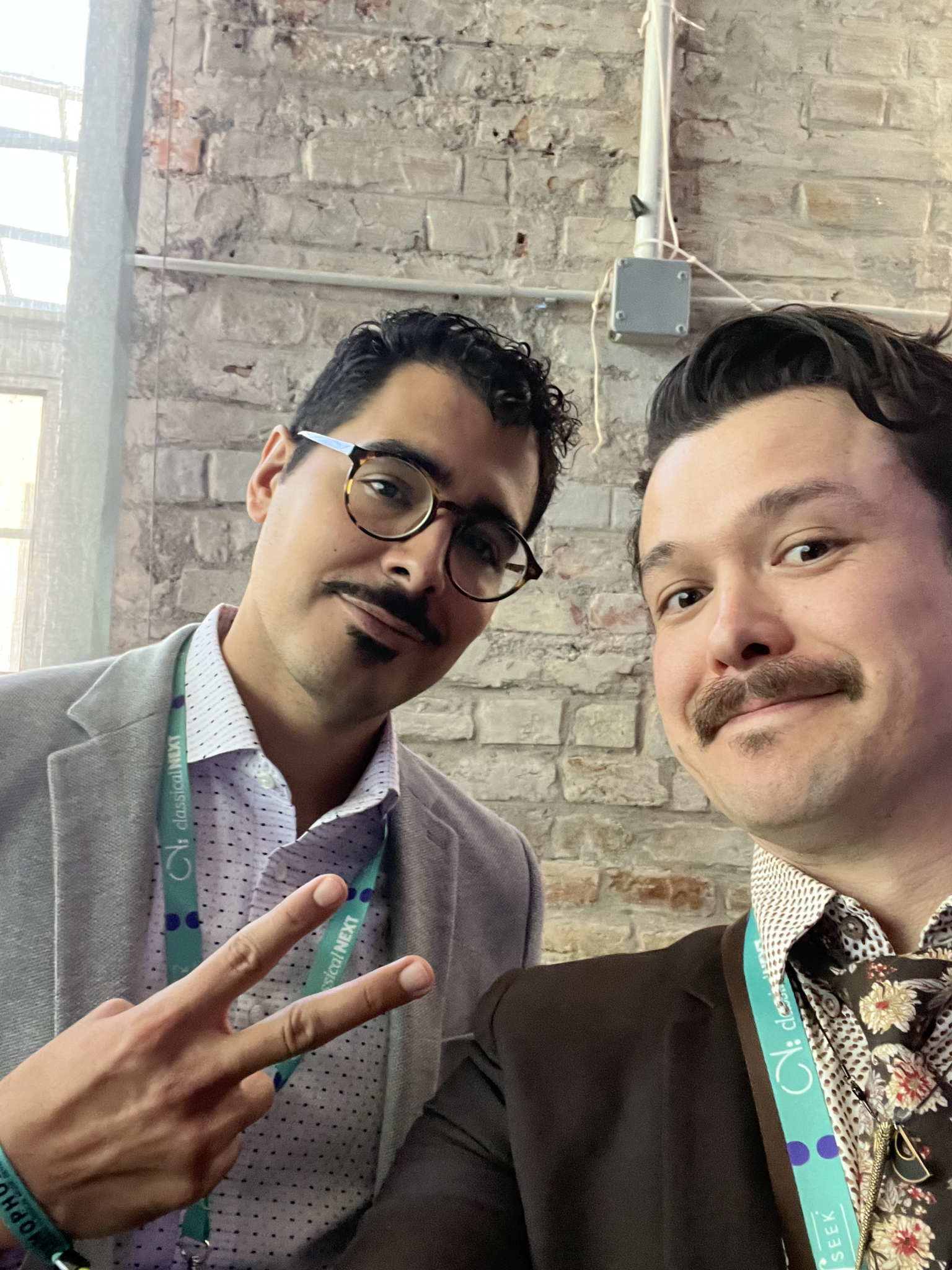
Bill Neri, of Sphinx Organisation in the USA. He’s like the AI-improved filtered version of Stef from Adelaide.
Another potential red thread emerges in this presentation - the drive to “move past inclusion as a flash in the pan, and representation a checkbox”; and a push to “move beyond tokenism”, into what Harridy terms “something that should be foundational.” Disparity of access is another key element (back to education) - and here’s an interesting thought: four years ago in Hannover the conversation was all about inclusion at its most basic preliminary stage (i.e. the level of talks was often not far beyond: ‘Oh, black people can make classical music too? That’s cute!’); and now we’re listening to discussions about cementing it beyond tokenism. In four years, that’s not a bad evolution for any large institution-led industry, especially for one (classical music) that is otherwise stuck in the 1920s. Another thought (that’s probably super obvious): is the solution to a lot of these issues simply empowering people to advocate for themselves?
It’s a great topic, but before long we’re meandering again. Is this conference so fatiguing (when sober), because it always consists of people asking important questions (and relatively similar questions year on year); big, complex, compelling issues; things that require systemic change - and these people then only have an hour on stage to try and present the answers. But then there are no solutions per se, because the questions being asked are too hard, so they can only ever hope to present the issues, and if they’re lucky, start hinting towards what questions we should be asking? There’s not much celebration or showcasing of solutions, just the plethora of issues because we’re talking about the whole industry; and each segment comes with their own complex issues which lie in a minefield of potential fuckups and missteps; and we’re expecting that everyone has to care about everything, even when it lies outside of their specialist zone.
The format of the talk is the ‘Fishbowl’ concept, which allows for an open chair or two to be filled by audience members who can contribute to the session, and it’s the perfect format for this chat as it allows folks from all walks of life to join in with their experiences. Which is all well and cute, until out of nowhere, an audience member pulls up a chair, patiently waits for her invitation to talk, and then proceeds to win the entire conference. Anisa Rahaman from the audience gives the most powerful contribution which makes staying for an hour completely worth it. She talks about empowering allies to utilise their privilege to advocate for the under represented rather than insist on those who are different to continuously have to represent an entire community every moment; she points out that so often, minority representatives are thrust into the role of having to speak and act for an entire race or community, and that they didn’t sign up for it, they’re not being paid for it, and that all they probably want to do is work and get on with it. She’s definitely had to explain this before, it’s not an improvised thought, it’s direct and speaks to everyone on both sides of the experience coin.
The down side of being sober until 18:00 daily, is that from 18:00 daily, your only occupation is playing catch up. Tonight I get a proper sized bottle of palinka and offer it around to all and sundry, with the unwitting happily accepting the invitation (POST-EVENT NOTE: they didn’t accept the offer the next night, that’s for sure) and I’m blind before 22:30, but Rachel Fenlon is a Goddess and demonstrates a shocking range of styles and intensities within her 40 min showcase session. I had lots of chats and saw other things I’m sure, but the palinka melted my brain and I remember nothing.
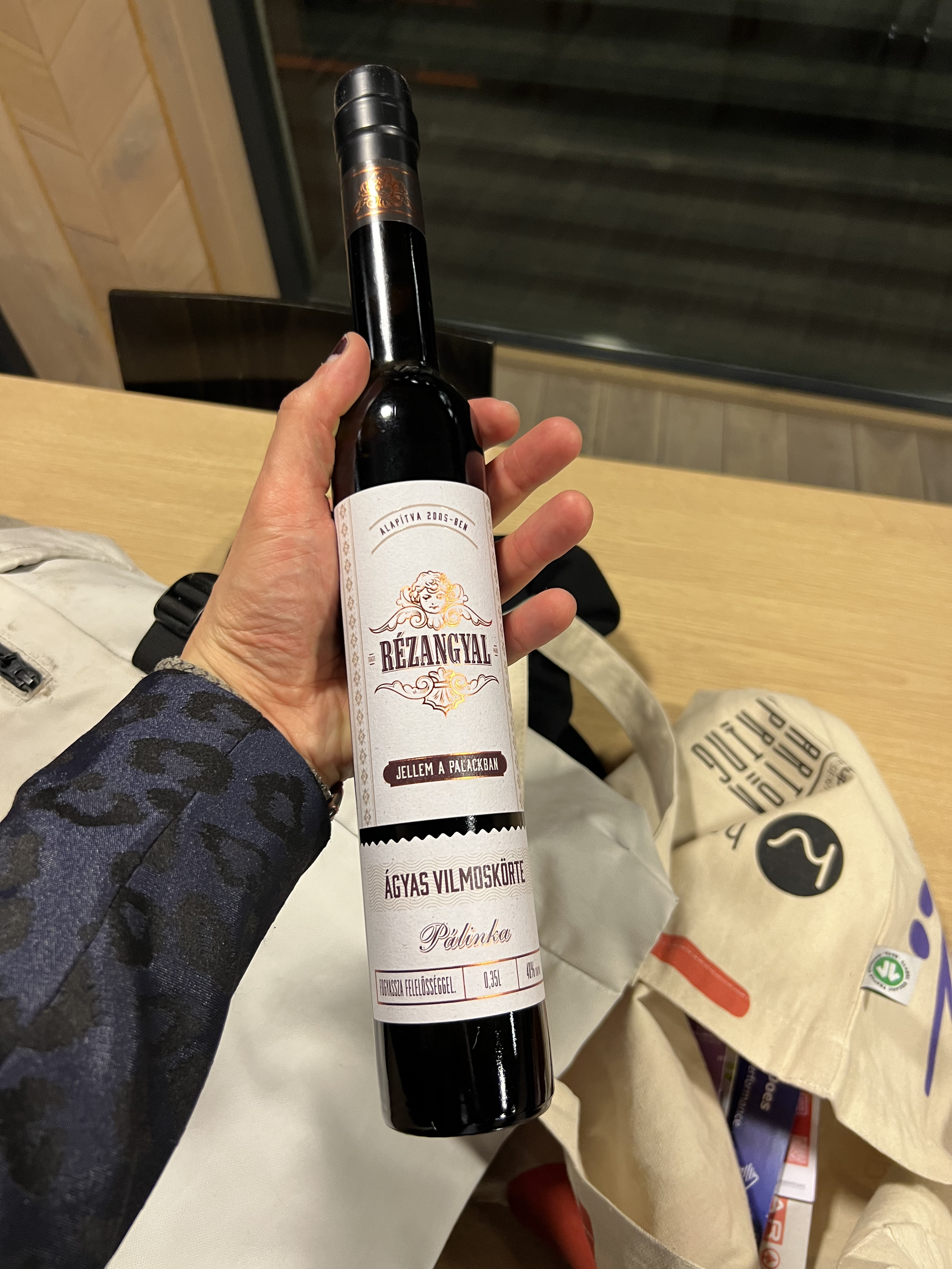
Readers, meet Palinka. Palinka meet readers.
Day 3: Presto Agitato
Coffee and work in the morning, as I head towards the first session of the day, before getting waylaid at the French stand who are offering coffee and croissants, which seems to be the most genius response to the attention-competition between the other stands offering alcohol each afternoon. The entire delegation stands between me and the door, and it proves impossible to wade through the scent of buttered pastries untouched, so I miss the first talk, and instead make it in time for Brendan Jan Walsh’s presentation on Advertising as Art. I let Walsh know that I’ve double-booked myself, with the intention also to get to Michael Casimir’s ‘Beyond the Metronome’ chat, and that I was probably going to unceremoniously stand up and announce ‘THIS IS SHIT’ and storm off for dramatic effect. Walsh is supportive, but unfortunately from the get go, it’s obvious that I won’t be able to leave this chat to see Casimir’s talk, as this presentation is excellent. The room is small, and filled with engaged and excited folks.
Walsh begins with the typical storytelling session, but in a way that actually illustrates the lessons we’re due to learn in the session. He gives examples of his classical music rave concept that was self-sustaining financially, and also he’s one of the only presenters who chooses an optimist-facing approach, rather than getting preoccupied with the never-ending cycle of crises. Other points: integrity - arts vs entertainment and the confusion between them; breaking through digital noise - this is a GREAT session. Credibility is key. We talk MONEY - both understanding it and making it. Great questions, provocations, presentation. You feel like he’s manipulating us (positively) to come to our own conclusions and behave how he has planned us to work: he sets up pre-determined answers, yet allows us to get there on our own. It’s the perfect sales pitch for his new venture, Apple Egg, because by the end of it you’re overstimulated and convinced that a) you believe in the legitimacy and value of it all, and b) that you’d rather outsource it to him because it’s just too complex for you to do it yourself.
This is the first session all week where I’ve been stimulated and have thoughts buzzing around my head - proof that the diverse approach to programming in this conference eventually gives you something: is this simply a brilliant session that everyone would enjoy, or does it appeal to me more because it’s in my direct interest zone? Either way, Day 3 is in the lead again, and there seems to be some consensus amongst those I’m chatting with.
Claudio Rimmele and Victoria Dietrich are presenting a rare chat focused on the opera industry, specifically the work they’ve produced together at the Staatsoper Berlin and Opernhaus Zurich. The session is filled to the brim, with freshly caffeinated participants eagerly engaging; with the content exploring how to utilise the current interest that opera has on social media, which is refreshing to hear. It’s a storytelling presentation and not a panel (second in a row - referencing earlier my hypothesis that panels don’t work, presentations do), but perhaps the one thing that would work nicer is if the presenters would start with the conclusion to hook us, and then use the story to reel us in.
I have a feeling their ideas are good, but they also veer towards the dangerous territory that Ivan Fischer warned us of, when saying that flashy projects will get people to come once or twice, but not develop lifelong supporters. Their projects are all very exciting and effective (read: young people voluntarily entering old buildings), and most impressively, are hosted by dyed-in-the-wool institutions - but I find myself asking, ‘what’s the long term win?’ Rimmele and Dietrich are great at storytelling, and genuinely enthusiastic about their projects and the potentially it holds for industry wide growth, and as the list of projects they’ve developed continues to grow, one gets an appreciation of their work as damned impressive - that you could see the growth and maturity of each project into the next, and an evolution from ‘oh that’s cute’ to ‘oh that’s cool!’ is wonderful. But again: where’s the data or stats that go beyond anecdotal celebration? It’s all well and good to host interesting projects when you have the support of a large institution to push it (not for a second underestimating the challenge of convincing those institutions to break the norm), but where are the results?
[POST-SHOW ADDITIONAL THOUGHTS: Dietrich also presented their concept of the opera orchestral musicians playing in non-traditional settings like bars, and I hate this, because there are plenty of independent scene musicians who have developed their own concepts around this, and it feels like stepping in on their territory - especially if the musicians from the opera aren’t legitimately interested in these formats. Would the opera be alright with the independent scene musicians taking over their stages, or should the opera reach out to the independents and collaborate rather than plonk traditional musicians in non-traditional spaces? There’s a link somehow to Joshua Bell playing in the subway and in his indignance about being ignored, inadvertently not realising that busking is a different art form to playing concerti on orchestral stages. Is this actually just too petty and protectionist thinking?]
Philip from the audience seems to read my mind and asks the onstage duo about how they’re quantifying their results (data collection is next on their list), a fellow from the UK brings up money (asking how these projects are funded, considering the existing philanthropists wouldn’t get behind these ideas) - Rimmele and Dietrich are open with their responses, but as the Q&A drags on, the audience begins to filter out, potentially because the end of this session is coinciding with the opening of the free lunch. (POST-EVENT NOTE: I wrote something here in my notes about “the devils entourage in questioning the value proposition of classical music” and I have genuinely no idea what this means, which suggests the palinka from last night hadn’t quite worn off, but also it sounds kinda cool so I included it)
The networking session held by the European Festivals Association (hosted by Luana Santos and Donika Rudi) offers yet another way to engage with people - we’re all divided into four groups of roughly ten people, with festivals from Germany, Austria, Belgium, Bosnia, Switzerland, Hungary and Canada represented (in my group alone); and we’re provoked with fairly broad questions that stimulates a strong discussion between us. 50% of the discussion are poorly veiled sales pitches, whilst 50% are actually attempting to answer the questions posed. Midway through, I think of a quote from a colleague who once pointed out: “the loudest voices aren’t necessarily the most interesting”. Nonetheless, it was a nice fun session which invited us to a different way to meet and discuss with people we wouldn’t ordinarily interact with (i.e. where else could an artist have access to six different festival organisers in one circle?).
Running directly into the Gateway Drugs chat about film and game music, I learn that I’m way too exhausted to feign interest about a niche part of the industry that I don’t care about (that’s a Chris problem, not this part of the industry’s problem), and resolve to leave as soon as I can without being disrespectful, not before hearing this very interesting observation by panellist Alex Moukala (games composer), who says: “If a video game has average music but a good game, people will still like the average music because it’s associated with the video game, but if a fantastic soundtrack is paired with a game that doesn’t sell so well then people won’t appreciate the music.” It’s actually a wonderful talk, but the information is not as high on the Maslloyd’s Hierarchy of Needs as coffee, so I sheepishly exit in order to refill, and bump into an old friend Thibault Back de Surany in the lobby, refill the coffee and then decide it’s also time for chocolate so I scrounge around the various stands and grab wafers from Austria, and a Toblerone from Swiss company Classeek, making friends along the way by giving out extra chocolates to other sugar-starved delegates.
After an Asia-Pacific networking session, I run off to again do a bump of caffeine and make sure to double up to ensure I’m jittery enough to contribute to a last-minute live podcast I’ve been asked to join; a sort of wrap up takeaway session hosted by David Taylor, with Jamie Njoku-Graham, Nathaly Ossa Alzate, and Susanne Szambelan - I do my best to find the sweet spot between comical and insightful and probably achieve neither…. But it’s a lively and quick chat, sparsely attended on account of the late programming (it’s the final session of the official conference, which starts after the Belgians bring out the beer). I finish the session with a shot in front of the audience, and we’re all pleasantly happy with ourselves afterwards. I bring out a bottle of gin gifted to me by Laura-Beth from Atlantic Canada (which is officially my favourite part of Canada, and they’re the best and we should all support them and their gin), and pour glasses for Michael Casimir, Brendan Jan Walsh, David Taylor, Fiona Stevens, Karolina Ogrodowska (official 2026 Conference New Best Friend!) and Sieglinde Heymans (2024 Conference New Best Friend), and we all take a tram across the Danube to head to the Innovation Award at the Budapest Music Centre. En route, we stop for another bottle of palinka, which means I’m ready to hit the evening running.
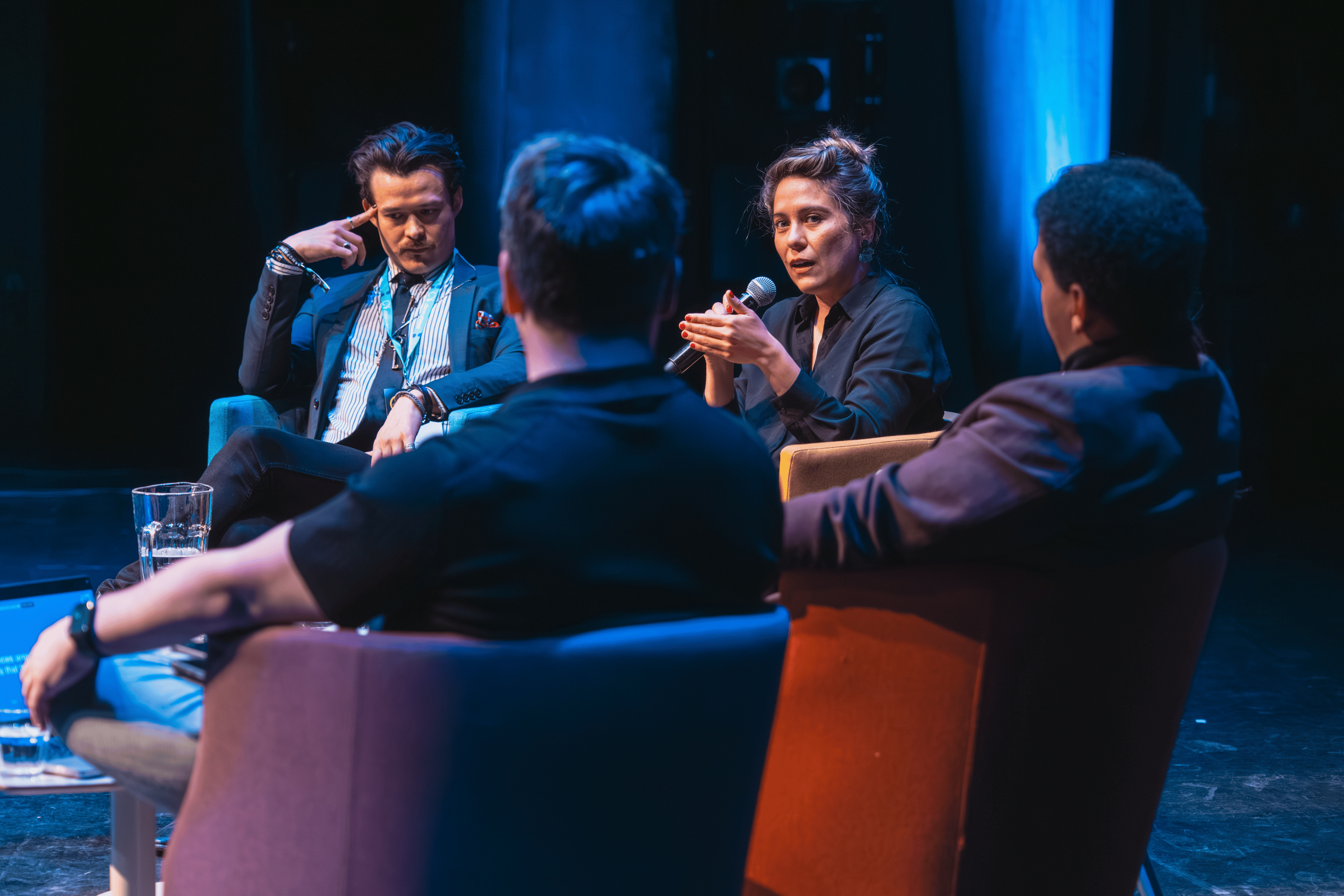
Deep in thought, as Taylor was asking some remarkably difficult questions, and the panel was filled with extremely smart people, and I wanted to appear as intellectual as possible.
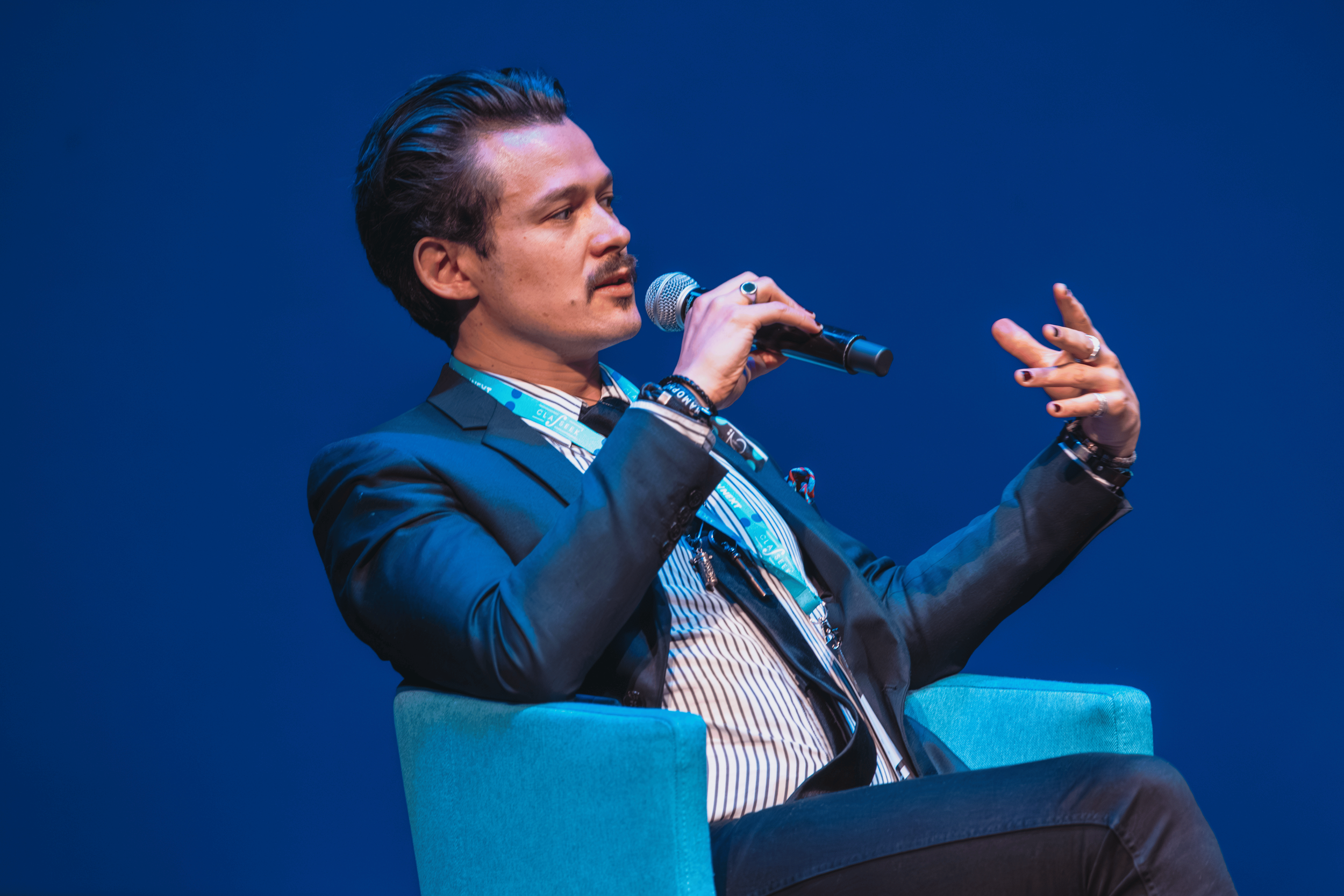
Pontificating on something or nothing, probably. Listen to the recording to find out if I had anything interesting to say in the end, and give feedback as long as it’s nice.
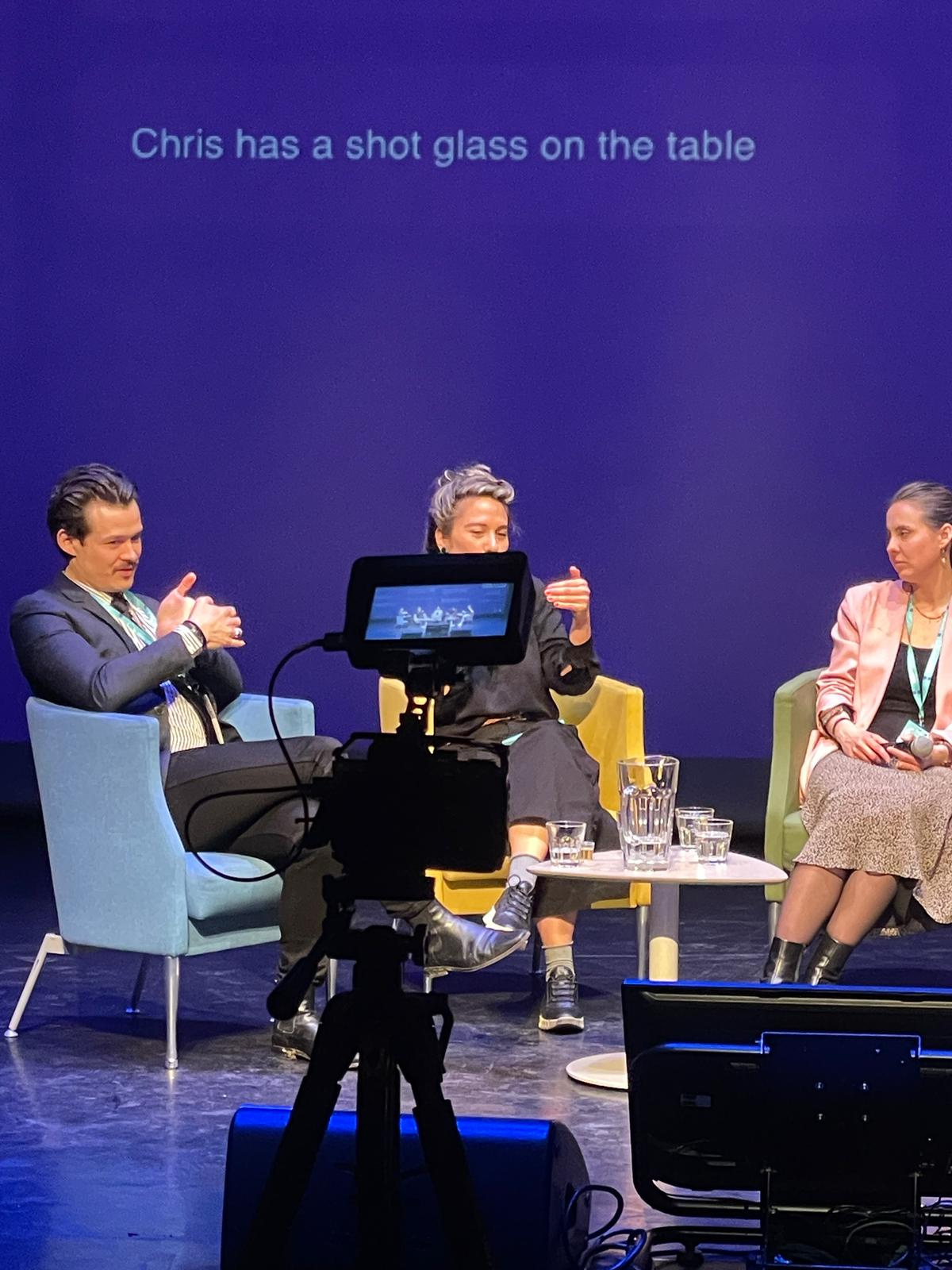
During the Audience Feedback section at the end, a rather observant audience member pointed out the shot glass of Chicago moonshine gifted by Reba Cafarelli from Third Coast Percussion, which I promised to hold onto until 18:00 exactly.
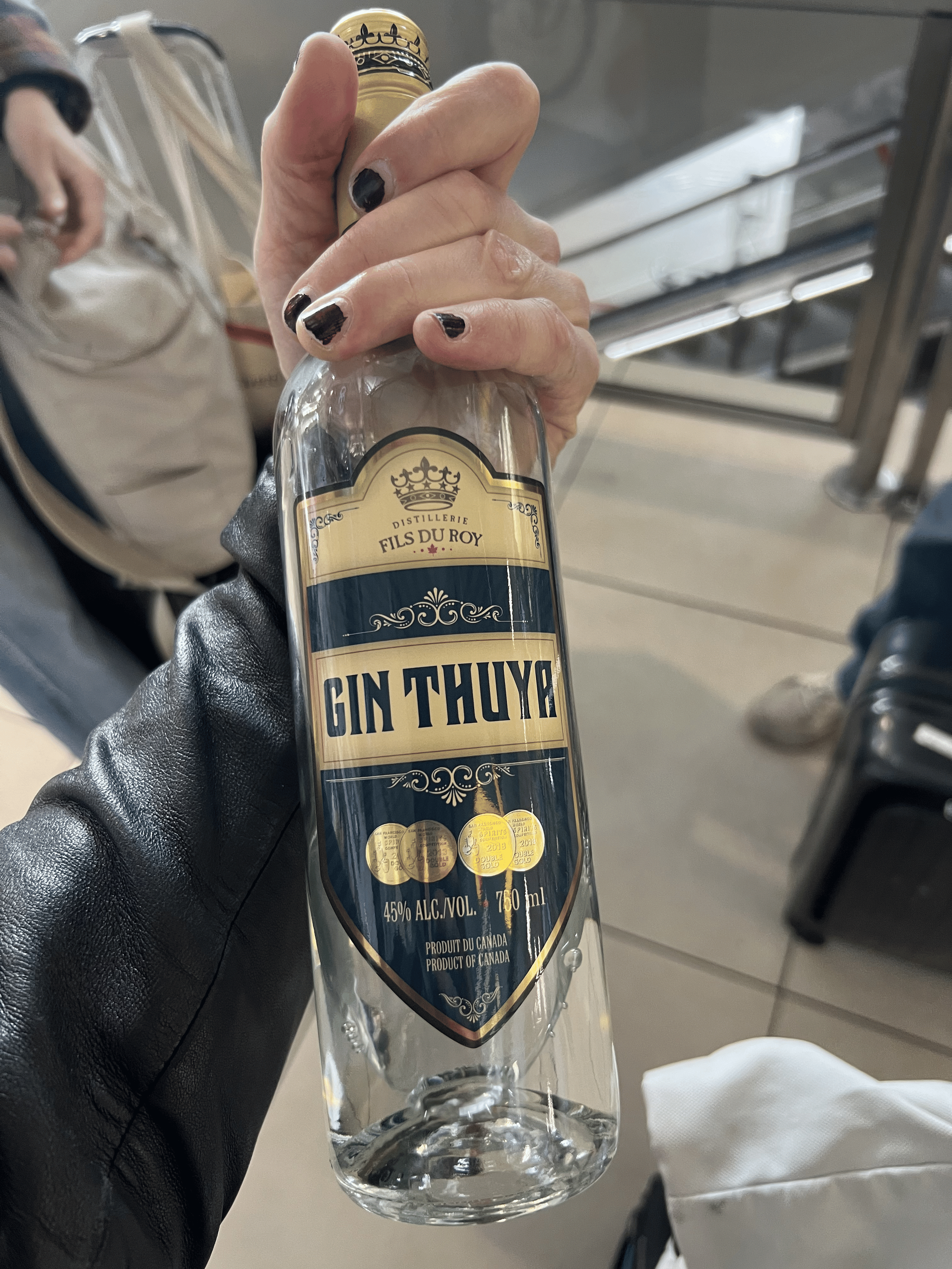
The MOST exquisite gin I’ve ever tasted, and I’m not saying that because it was a beautifully thoughtful gift from Laura-Beth, but because you NEED to find a bottle of it, if gin is your thing.
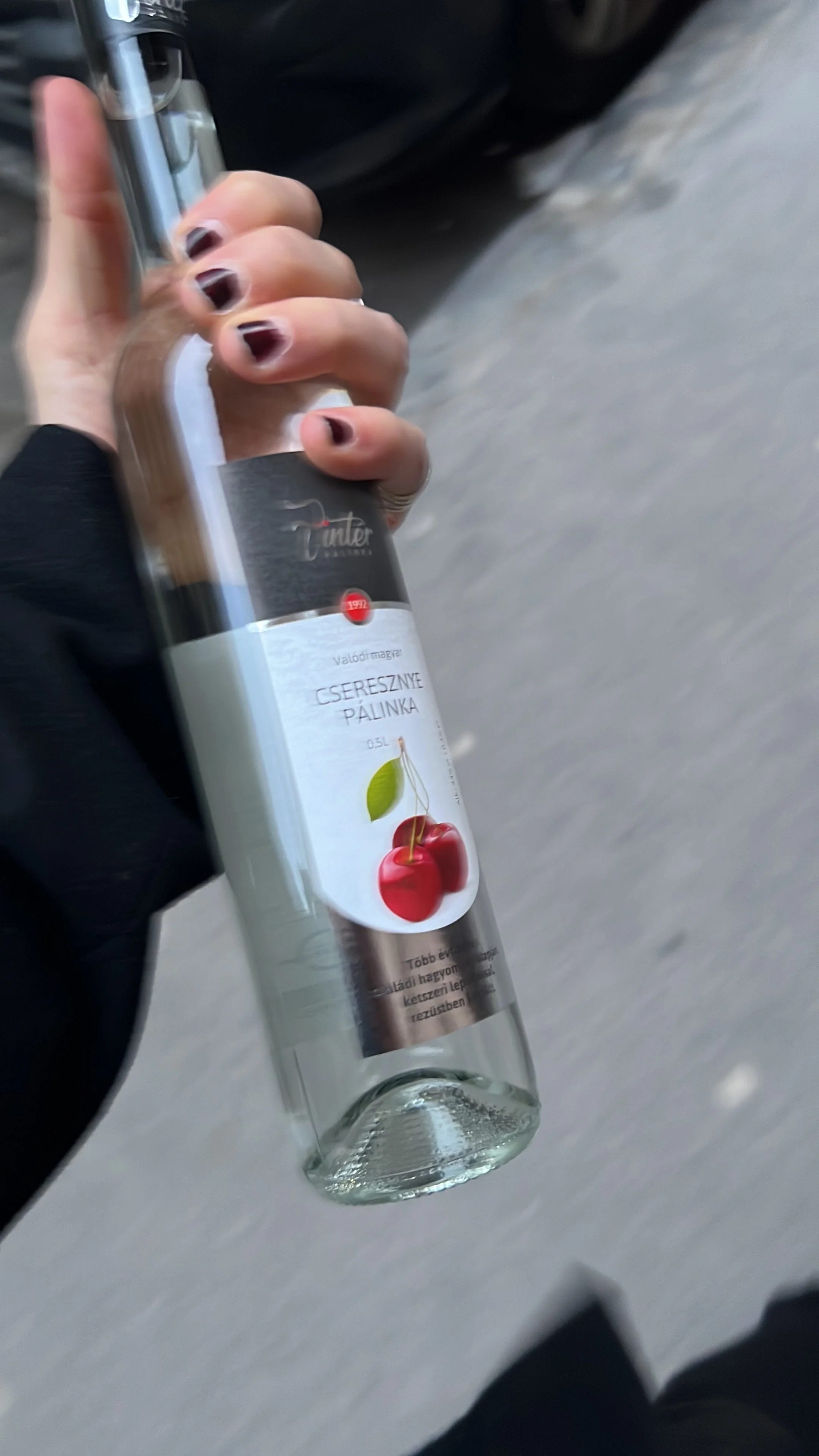
Day 3 Palinka, meet readers. Readers, meet Day 3 Palinka, a malevolent bitch who gives happiness at the cost of sanity. The out-of-focus nature of the photograph actually captures its effects rather well.
The hall slowly fills up during the award - potentially because the scheduling has the opening right about when hungry and tired people are having dinner and recouping. The first award presents as awkward, the second as a fun looking festival, whilst the third award is funnily enough the project that convinced me finally that I’m done with innovating and coming up with new ideas myself, which is a personally interesting punctuation mark on the entire conference. Zubin Kanga’s Cyborg Soloists is shortlisted for the innovation award, four years after a similar project of his was performed at the Innovation Award in Hannover, which is a either a nod of approval for his continued good work, or a sign that the net isn’t quite being thrown out widely enough.
Fabienne Krause takes the stage to announce the statistics for C:N26 - in its 13th Edition, over 1000 delegates from 50+ countries are present; 69 showcase artists performed 16 concerts, the conference sessions featured 78 speakers from 23 countries for 32 conference sessions. We officially begin looking forward to Katowice, Poland for C:N27, which is introduced by one of the partners who remarks: “Almost 10 years ago, I met one of my business partners here at Classical:NEXT. Connections made here do work.” Proof again that the value in this conference is the connections one makes. The Innovation Awards were amongst the weakest in the four years I’ve been attending, but what I think is far less important than the work they’ve done in their fields, so well done to all recipients!
Chloé Charody’s showcase performance of LIMBO runs directly from the Innovation Award into their performance - which is dark and intense and dealing with very real and hardcore topics. My first thought is “Oh fuck no one wants this right now, it’s too late and we need a break.” Wrong. Because violinist Sonja Schebeck is too phenomenal to be ignored or out of place. Her presence on stage rivals most theatre performers; one runs out of superlatives to celebrate this level of art making. And guess what? Also Australian. Fuck yeah (read the 2022 Review for my thoughts on how our tiny cultural hovel always punches above our weight). The performance is intense and exceptional, one feels the energy of the entire space become electrified (not so long after being dreary and dying) and that is all that needs be said about it. It’s the type of art you might typically roll your eyes at (because it aims to be so much and rarely achieves it), until something is so good that you completely lose yourself. The fact that this is 100% a gimmick, yet somehow is 0% gimmickey is an achievement that few can lay claim to.
Xani Kolac makes a fake takeaway as a joke, that I promise her I’ll include in the review: “there’s a lot of really boring jazz, there’s a lot of really boring classical, there’s a lot of really boring music - that’s my takeaway.”
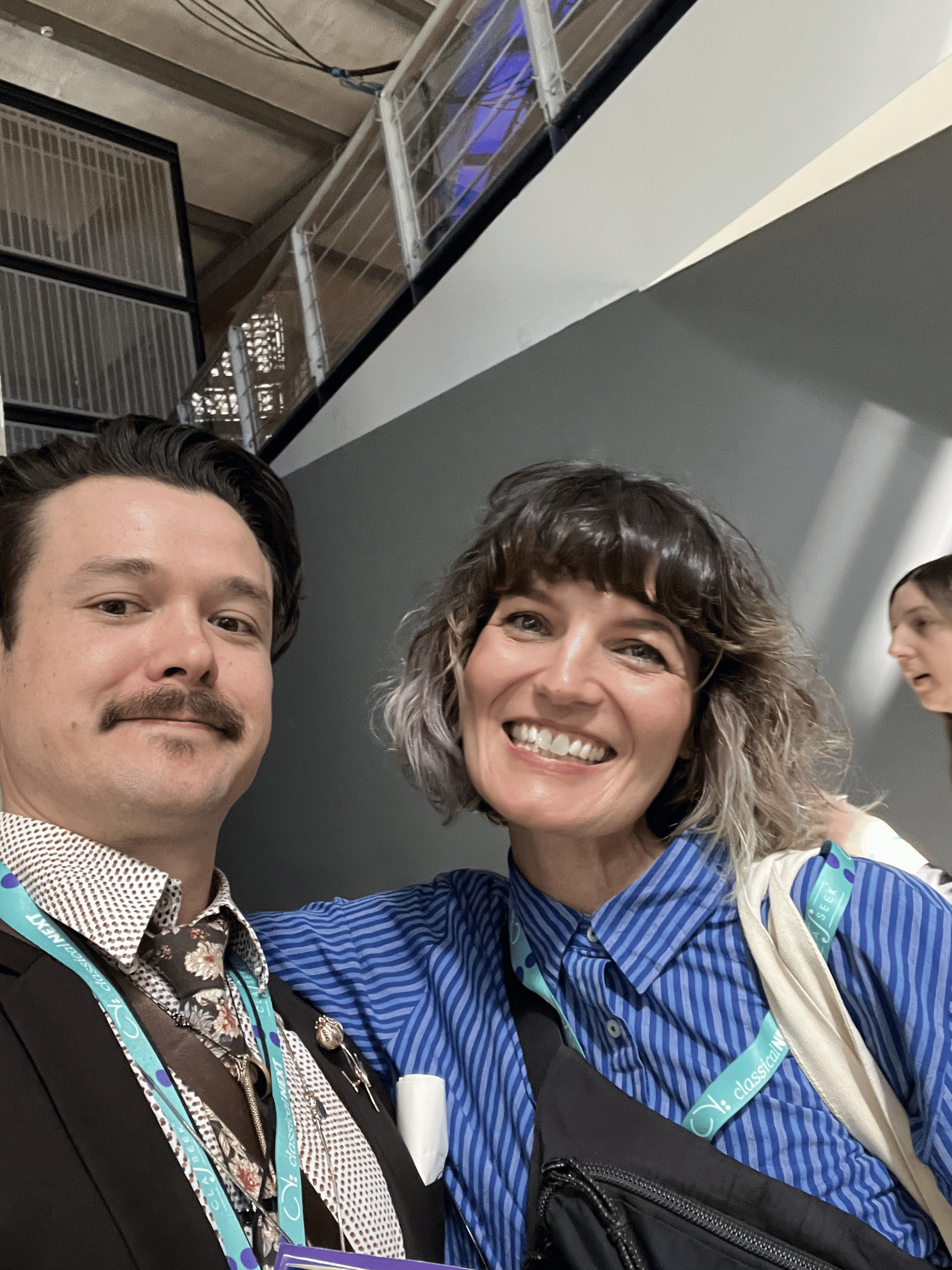
Chris and Xani, just two Australians being cute and shit. Just to reiterate, Xani was joking and does NOT think everything is boring. Chris might.
After the first performance, the night devolves into a waste of palinka and conversations - wonderful, kind, lovely deep conversations with friends new and old; not touching topics of work but more personal and about life (special nods to Luana Santos, Michael Casimir and Anisa Rahaman, Roger Wilson, Fabienne Krause), ending the evening in chats late into the wee hours with the powerhouse trio of Sinead and Niamh Walsh, and Hannah Seymour from EMPOWER (UK), Olivia Brown & Naomi Belshaw. Great company, and I’m sure (if only I could remember it through the palinka haze) great conversation.
Day 4: Marche Funebre
Somehow woke up and made it to breakfast at the hotel where I serendipitously dine with Gabriel Prokofiev and Pallavi Mahidhara - we have lovely chats and afterwards taxi to the House of Music which is in a large park at the centre of Budapest that last night hosted 100,000 people in an anti-Orban protest concert that in hindsight would’ve been a wonderful moment of history to have been present for. There’s a long and complex talk that I can’t deal with in my current state (oh I didn’t mention, the palinka finally won our battle to the end), so instead I walk back out and opt for a nap on a bench in the sun. Enjoying this sunny sojourn in full suit, waiting for a death that feels both inevitable and fast approaching, I speak with Katharina Nohl from the Swiss Female Composer Festival, and we chat about her previous life as one of the first female techno DJs in Munich; I bid a few farewells to David Taylor and French Dorian; before making it back inside eventually to hydrate and caffeinate.
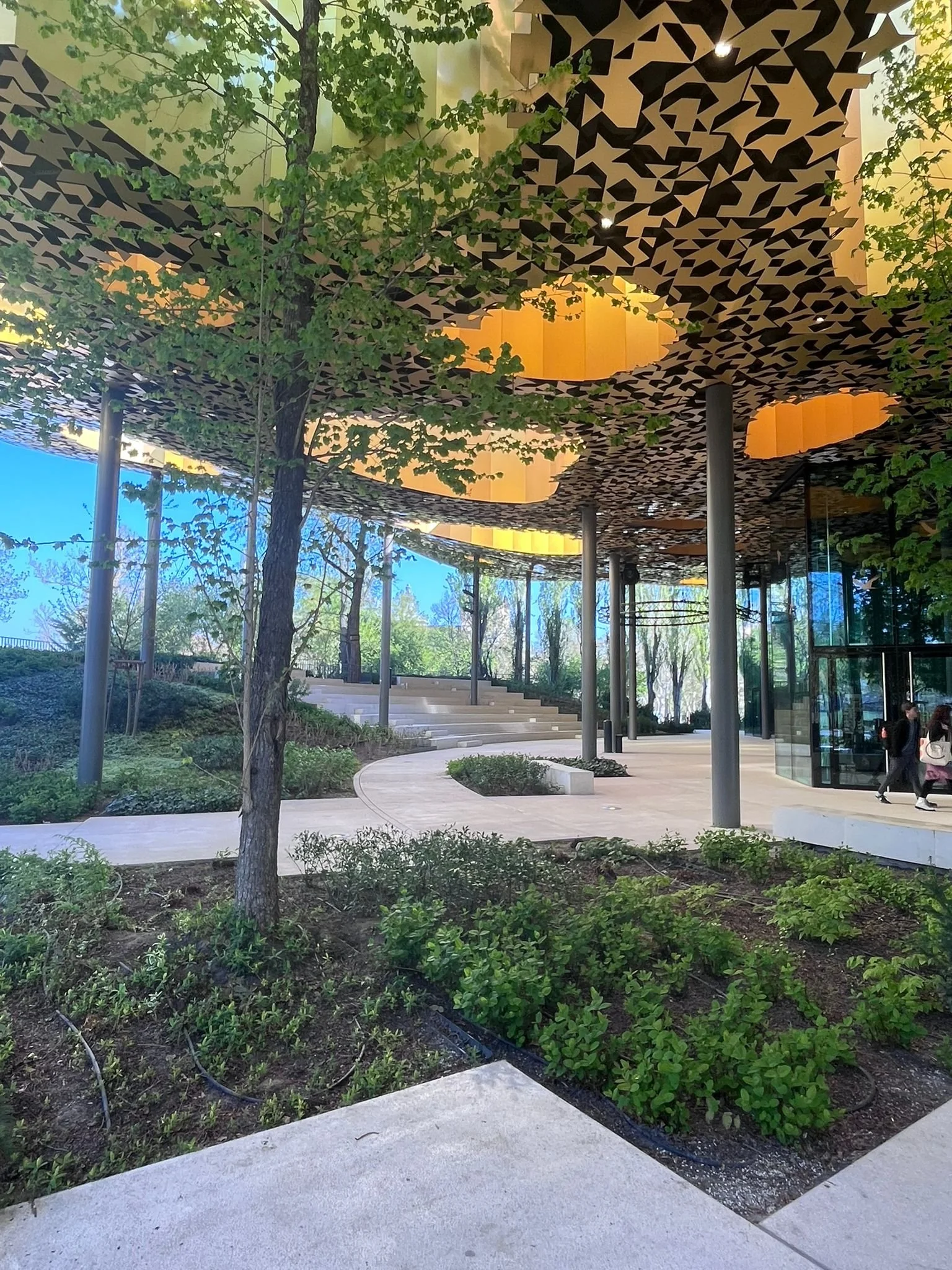
A view from the bench I was passed out. Could be far worse.
An Australian group conversation begins with Tash Atkins, Xani Kolac, Anna Gould, Louise Potzeld, Samuel Krum, Leila Alexander (Kiwi, close enough), Rae Howell and Kelly Lovelady, where discuss such pressing issues in the Australian cultural landscape such as who invented the Peach Melba and Pavlova (two deserts named after an opera singer and ballet dancer respectively, don’t say we don’t LOVE culture Down Under), and the origins of Australia’s ‘Democracy Sausage’ (IYKYK).
After this hard-hitting chat I meet friends Fiona Stevens, Brendan Jan Walsh, Karolina Ogrodowska, and Sieglinde Heymans on the terrace of HoM’s cafe; apparently there’s an incredible listening dome and exhibition which are more than one person’s favourite thing of the week, but I’m too close to the precipice of the afterlife to do anything that isn’t sit with the biggest group of delinquents and reprobates at the conference (the self-styled ‘Back of the Bus Crew’). We laugh and talk shop, helping each other out, complaining about other things, but mostly it’s just wonderful, being with friends that you only see far too infrequently. And that’s why we love this conference isn’t it?
Yesterday in the Festivals Meet-Up, we discussed the historical purpose of festivals and the repeated ritual of coming together; that today we still replicate our Ancient Greek ancestors, in our attraction to Festivals where we all leave our normal lives and come together for a week every year to lose ourselves, experience wild things, connect with people from distant lands who for whatever reason we share a connection with. Every year you build on this ritual, become more and more ensconced in the experience, you belong more, the people become an ensemble of fellow travellers that bring meaning to the experience. There’s an inherent human element at play that keeps these traditions ongoing for millennia - and if C:N isn’t a grand example of this, then what is?
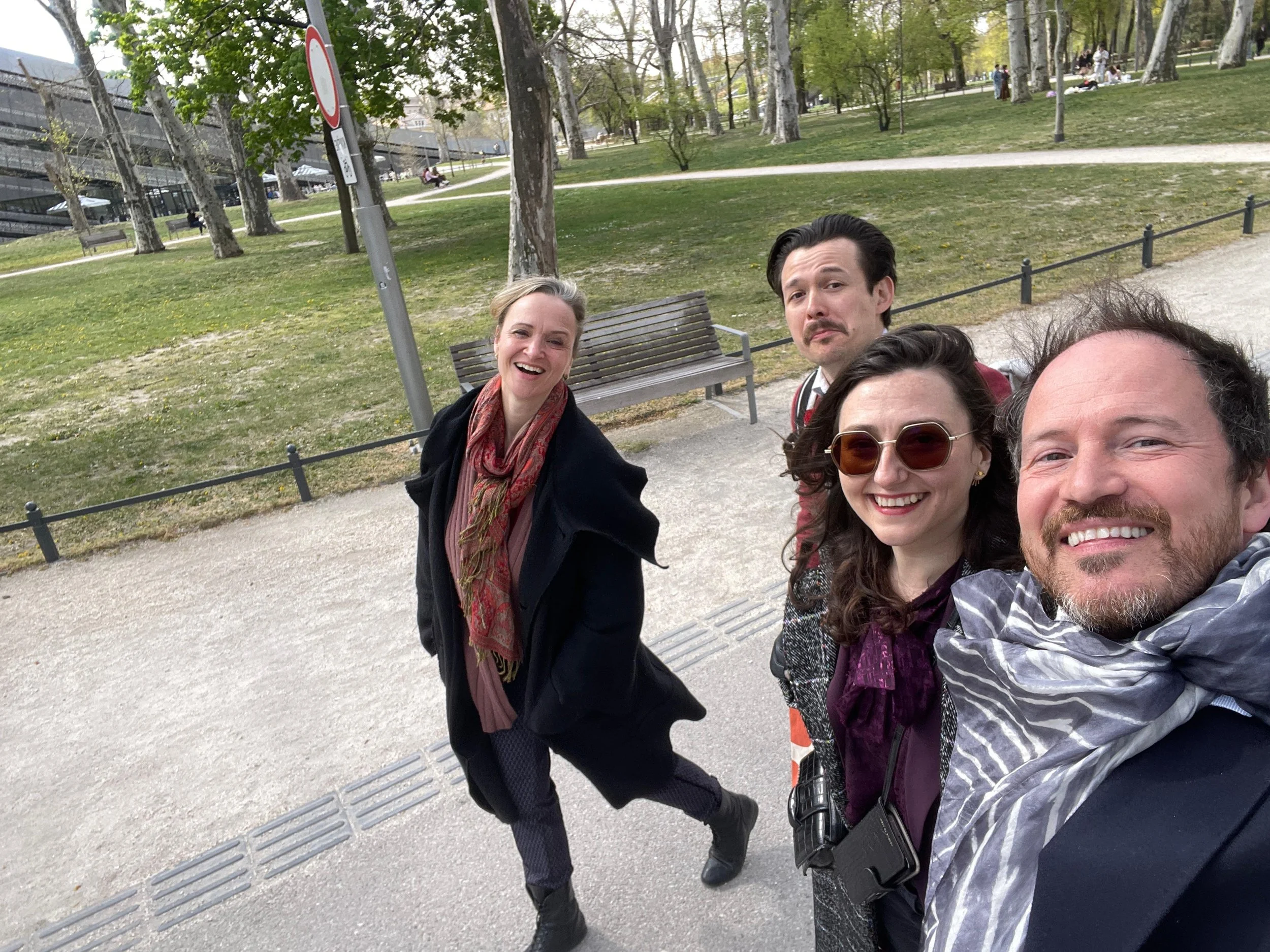
Friends <3
We take the M1 to another cafe but by this stage, the hangover has somehow morphed into a super hangover and I’m now officially deceased by all legal requirements, so I opt for a quick nap to recuperate somewhat for the team dinner.
Done, and I arrive back just in time, to meet a weary and satisfied team who has really put everything into it. Oddly: I don’t have much more insight into the inner workings of the conference this year than in previous years, even being technically in the team - but I have a hypothesis on this: because they have always worn their hearts on sleeves, it’s always obvious how much they all put into this, all the bullshit they must suffer to make it happen, and the hard work they contribute to give this to us. Different year, same conclusions.
I make a decision to go straight back to the hotel after fulfilling team duties and burgers, however I somehow get tricked into walking directly back into the House of Music for the Ritmo festival evening, which proves to be excellent as it leaves space for one more beautiful evening of hanging out with new friends - Karolina from Poland and Miguel Angel Lazaro Diaz from Schleswig-Holstein Musik Festival, dancing to Hungarian folk music and electronics; chatting about life, festivals, funding, politics, and sharing stories about the week that shows were all inspired and grateful for being there. Like Cinderella, as midnight approaches it’s time to farewell, with a 6am wake up and flight back home beckoning. Bus rides with Capucine and Jonathan from the festival team further cements the bonds between us all before the eyelids slowly descend into darkness.
So what’s the point of it all, really? It’s my fourth Classical:NEXT, in a third city, with a third ‘official’ job being there (after two years reviewing for Limelight Magazine, and last years RONDO Magazin podcasts). Every year it’s the same procedure - a tepid wariness over the conference programme before it all begins, a weariness that builds around the cyclical problems being aired and the lack of solutions offered; which dissipates upon seeing familiar, friendly faces. No other event that I know of brings such a diverse range of voices, whilst covering so much of the broad spectrum of the classical music industry. It’s a labour of love for the organisers, and whilst it may fall short of achieving the lofty goals it aims for (let’s be honest, we’re all guilty of that, which doesn’t mean we shouldn’t try), it’s still a damned good event that I’m continuously grateful for, and I’m already looking forward to the next one.
See you in Katowice, May 11-14th 2027 for the next edition of Art:NEXT!